
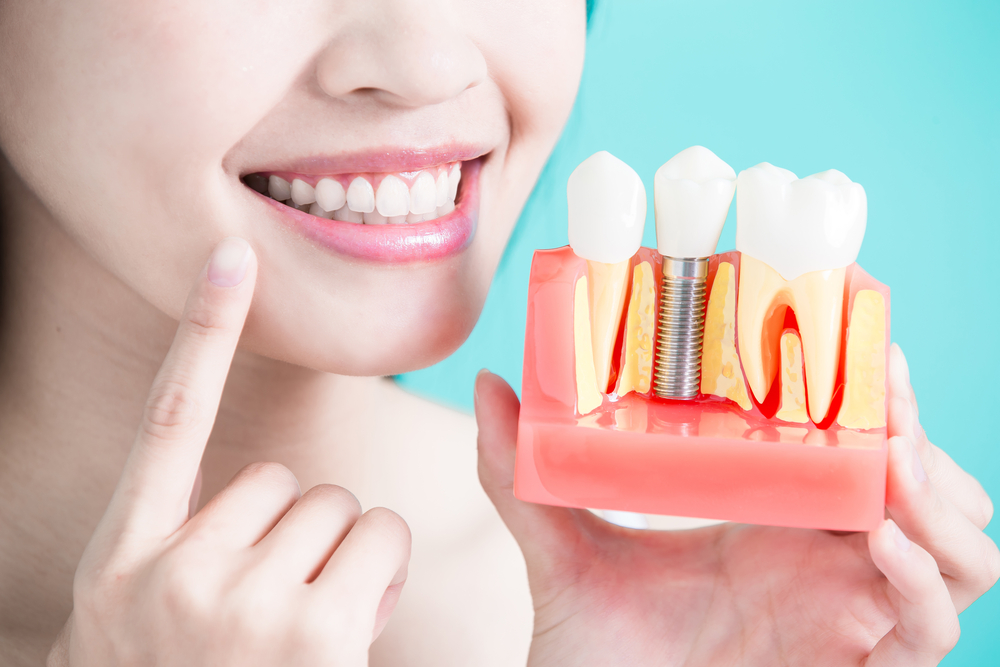
- The Anatomy of a Dental Implant
- The Science of Success: Understanding Osseointegration
- The Dental Implant Process: Step-by-Step
- Why Choose Dental Implants Over Other Options
- Getting Dental Implants in Burke
Losing a tooth can feel overwhelming. It changes how you chew, how you speak, and how you share your smile with the world. You might find yourself hiding your teeth in photos or avoiding your favorite foods. If you are exploring your choices, you have likely heard about dental implants. But what exactly are they, and how do they function so much like natural teeth?
Dental implants represent one of the most significant advancements in modern dentistry. Instead of simply resting on your gums or relying on neighboring teeth for support, implants integrate directly into your jawbone. This unique characteristic makes them a permanent, stable, and highly functional solution.
In this comprehensive guide, we will break down the anatomy of a dental implant, explain the fascinating biological process that makes them work, and show you why they stand out among other tooth replacement options.
The Anatomy of a Dental Implant
When people talk about a “dental implant,” they usually refer to the entire replacement tooth. However, the implant system actually consists of three distinct components. Understanding these parts helps clarify why this treatment is so durable and effective.
1. The Implant Post (The Root)
The actual dental implant is a small, screw-like post typically made of titanium or a titanium alloy. Titanium is biocompatible, meaning the human body accepts it without treating it as a foreign object.
During a minor surgical procedure, your dentist places this post directly into the jawbone beneath your gums. This post acts as the new “root” for your missing tooth. Just as a natural tooth root provides a strong foundation and stimulates the jawbone to keep it healthy, the titanium post serves the exact same purpose.
2. The Abutment (The Connector)
Once the implant post sits securely in your jawbone and heals, the next piece of the puzzle is the abutment. The abutment is a small connector piece, usually made of titanium, gold, or ceramic.
Your dentist attaches the abutment to the top of the implant post. It sits just above the gum line and acts as the crucial link between the artificial root below the gums and the visible replacement tooth above. Think of it as the sturdy base upon which a house is built.
3. The Dental Crown (The Visible Tooth)
The final component is the dental crown. This is the part of the tooth replacement that you and everyone else will actually see. Custom-made to match the exact shape, size, and color of your natural teeth, the crown attaches securely to the abutment.
Once the crown is in place, the dental implant looks, feels, and functions exactly like a natural tooth. Whether you need a single crown, a bridge, or even a full denture supported by implants, this top layer restores your ability to chew comfortably and smile confidently.
The Science of Success: Understanding Osseointegration
You might wonder how a metal post can successfully become a permanent part of your mouth. The secret to the incredible success rate of dental implants lies in a biological process called osseointegration.
What is Osseointegration?
Osseointegration is a word derived from Greek and Latin, meaning “bone” (osteo) and “to make whole” (integrate). When the titanium post is placed into the jawbone, the bone tissue actually begins to grow around and bond directly to the surface of the titanium.
This process does not happen overnight. It typically takes anywhere from a few months to half a year for the bone to fully fuse with the implant. As the bone cells attach themselves to the microscopic ridges of the titanium post, the implant becomes locked in place.
Why Does This Process Matter?
This structural connection is what makes implants fundamentally different from other treatments. Because the implant becomes part of your living anatomy, it provides unparalleled stability. Your new tooth will never slip, slide, or click when you eat or speak.
Furthermore, osseointegration halts the bone loss that naturally occurs when you lose a tooth. When a natural tooth root is missing, the jawbone in that area no longer receives the stimulation it needs from chewing, causing it to deteriorate over time. The integrated implant post provides that necessary stimulation, preserving your facial structure and preventing a sunken, aged appearance.
The Dental Implant Process: Step-by-Step
Understanding the journey can help alleviate any anxiety you might feel about the procedure. Here is what you can expect when you choose implant dentistry at Shield Dental Care.
Step 1: The Initial Consultation
Every successful implant journey begins with a thorough evaluation. Your dentist will examine your mouth, take detailed 3D imaging, and assess the health and density of your jawbone. This imaging allows us to map out the precise location for the implant post, ensuring avoiding nerves and sinuses. We will discuss your medical history and determine if you are a good candidate for the procedure.
Step 2: Site Preparation and Bone Grafting (If Necessary)
If your jawbone is too thin or soft to support an implant, you might need a bone grafting procedure first. This involves adding bone grafting material to the area to build up a solid foundation. If bone grafting is required, you will need time to heal before the implant placement. If your bone is healthy, we can move straight to the next step.
Step 3: Placing the Implant Post
During this phase, we make a small incision in the gum to expose the bone and carefully place the titanium post. We use local anesthesia to ensure you remain completely numb and comfortable throughout the procedure. Once the post is placed, we close the gums over the implant to protect it while it heals.
Step 4: Healing and Osseointegration
Now the waiting begins. Over the next few months, osseointegration takes place as your jawbone fuses to the implant. During this time, we can provide a temporary tooth replacement so you never have to go without a tooth. You will stick to a soft food diet initially to protect the surgical site.
Step 5: Placing the Abutment
Once the implant has fully integrated with the bone, you will return for a minor procedure to attach the abutment. We will gently open the gum tissue just above the implant, attach the abutment, and allow the gum tissue to heal around it for a couple of weeks.
Step 6: Placing the Custom Restoration
The final step is the most exciting. We take detailed impressions of your mouth to create your custom crown. Our dental laboratory crafts the crown to blend seamlessly with your surrounding teeth. We then secure the crown onto the abutment, check your bite, and polish your new tooth. You walk out of the office with a fully restored smile.
Why Choose Dental Implants Over Other Options?
When faced with tooth loss, you generally have three choices: dentures, bridges, or implants. While bridges and dentures have their place, implants offer distinct advantages that make them the gold standard in restorative dentistry.
Superior Durability and Longevity
Traditional dental bridges typically last 5 to 15 years before they need replacement. Dentures often require frequent adjustments as your jawbone changes shape over time. Dental implants, on the other hand, are designed to last a lifetime with proper care. While you may eventually need to replace the crown due to normal wear and tear, the implant post itself rarely requires replacement.
Protecting Your Natural Teeth
To place a traditional dental bridge, a dentist must grind down the healthy teeth on either side of the gap to support the bridge. Dental implants do not rely on adjacent teeth for support. This means we leave your remaining natural teeth completely untouched and intact.
Unmatched Comfort and Confidence
Because implants function exactly like natural teeth, you care for them the same way—by brushing and flossing daily. You do not need messy adhesives, nor do you need to remove your teeth to clean them at night. You can bite into an apple, chew a tough steak, and laugh out loud without worrying about your teeth shifting.
Getting Dental Implants in Burke
Choosing the right dental team is just as important as choosing the right treatment. If you are looking for highly skilled professionals to place your dental implants in Burke, Shield Dental Care offers state-of-the-art technology and a compassionate approach to restorative dentistry. We guide you through every step of the process, ensuring you feel comfortable, informed, and confident in your care.
We also believe that everyone deserves a healthy, fully functioning smile, regardless of their insurance status. If you are concerned about the cost of restorative treatments, we invite you to explore the Shield Prevention Plan. This in-house membership plan provides exceptional value and discounts on various procedures for patients without traditional dental insurance, making your dream smile more accessible than ever.
Ready to Restore Your Smile?
Losing a tooth does not have to mean losing your confidence. Dental implants provide a secure, natural-looking, and long-lasting way to replace missing teeth, preserve your jawbone, and get back to enjoying your everyday life.
If you want to learn more about how dental implants can transform your smile, we are here to help. Reach out to our team to schedule your personalized consultation. Visit our contact us page today, and let’s take the first step toward restoring your beautiful, healthy smile.
Top Rated Dentist in Burke VA
At Shield Dental Care, we take pride in being a top-rated Dentist in Burke, VA. We are dedicated to enhancing your charming smile. Our philosophy revolves around your smile being a beautiful reflection of your persona, a unique signature that merits the finest attention.
Tour Our Burke Dental Office
Experience the best of dental technology and service at Shield Dental Care. Situated conveniently at 6505 Sydenstricker Rd B, Burke, VA 22015,
Related Blogs
- What to Expect at Your Cosmetic Dentistry Consultation
- 5 Signs You Should See a Cosmetic Dentist
- How Much Does a Smile Makeover Cost? A Complete Guide
A dental implant replaces a missing tooth with three parts: a titanium post that acts as the root, an abutment connector, and a custom crown. Because titanium is biocompatible, the jawbone fuses to the post through osseointegration over several months, creating a stable foundation that halts bone loss and preserves facial structure. Placed step by step from consultation to restoration, implants outlast bridges and dentures, spare healthy neighboring teeth, and function and feel like natural teeth.