
Living with TMD (temporomandibular joint disorder) can be painful, frustrating, and even life-disrupting. The jaw discomfort, clicking, and headaches it causes can make everyday activities — like chewing or speaking — difficult. Treatment usually starts with conservative, non-surgical care, and for pain that comes mainly from overworked jaw muscles, one option is Botox.
This page covers Botox for the jaw joint. For clenching and grinding specifically, see Botox for teeth grinding and clenching; for cosmetic treatment and the products we carry, see Botox at Shield Dental Care.
At Shield Dental Care in Burke, VA, we offer Botox for TMD as one option for jaw pain, tension, and muscle spasms that are mainly muscle-related. In this guide, we’ll explain how Botox works for TMD, what to expect during treatment, what the research does and does not show, and how to tell whether it may be right for you.
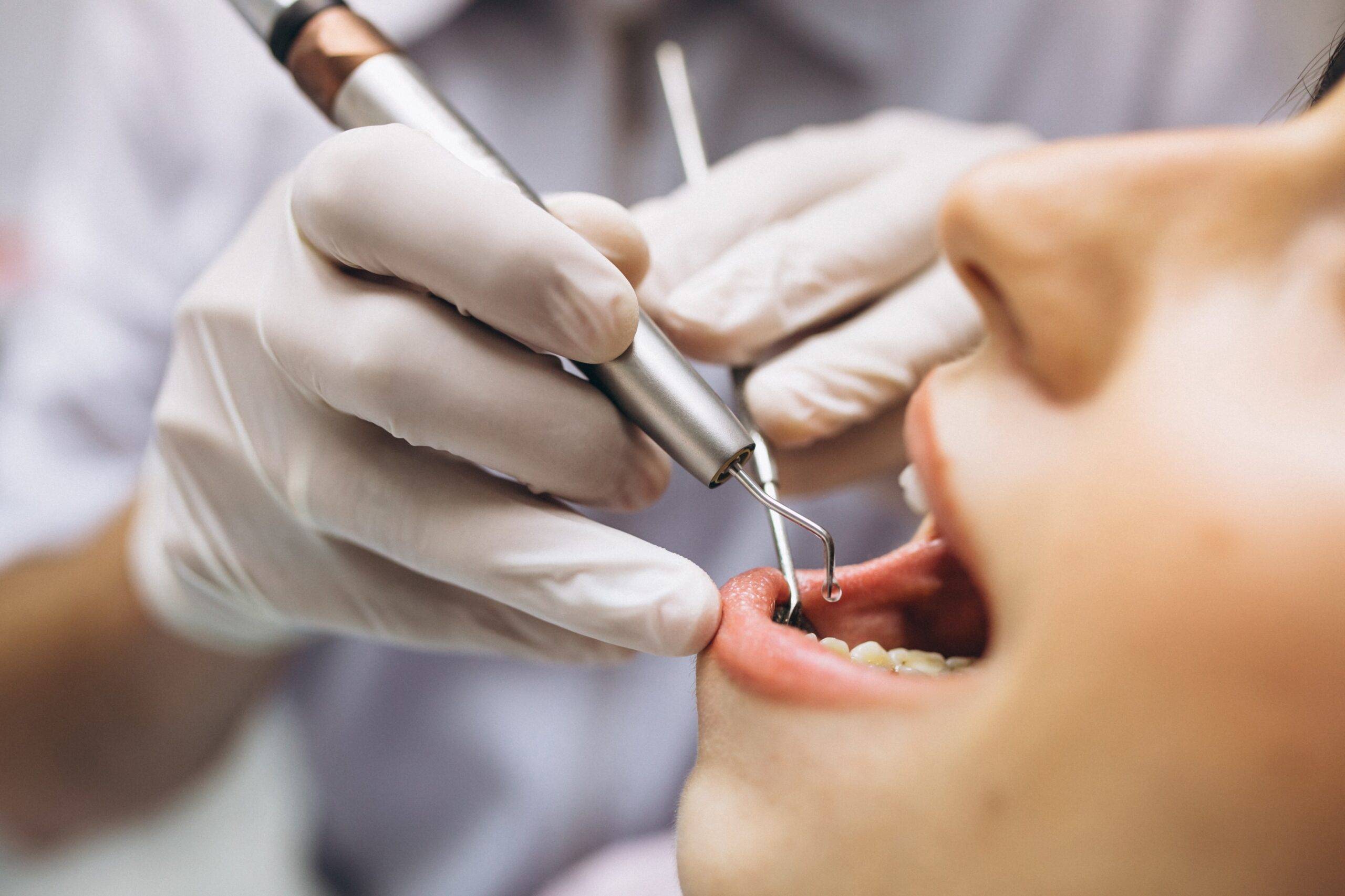
Understanding TMD: What It Is and How It Affects You
Before exploring how Botox helps with TMD, it’s important to understand what the condition involves.
The temporomandibular joint (TMJ) connects your lower jaw (mandible) to your skull, allowing you to open and close your mouth smoothly for talking, eating, and yawning. When this joint or its surrounding muscles become strained, inflamed, or misaligned, it can lead to temporomandibular joint disorder (TMD).
Common TMD Symptoms Include:
- Jaw pain or tenderness
- Clicking, popping, or grinding sounds when opening your mouth
- Limited jaw movement or jaw locking
- Headaches, neck pain, or earaches
- Facial soreness or tension
TMD can stem from multiple causes, including teeth grinding (bruxism), jaw clenching, arthritis, trauma, or even stress-related tension. If left untreated, it can significantly affect your daily comfort and oral function.
👉 Learn more about TMD from the American Dental Association.
How Botox Helps Relieve TMD Symptoms
Botox, or botulinum toxin type A, is a purified protein that temporarily relaxes targeted muscles. When used to treat TMD with Botox, small amounts are injected into the jaw muscles responsible for tension and pain — typically the masseter, temporalis, and sometimes pterygoid muscles.
Here’s how it works:
- Relieves tension: Botox blocks nerve signals that cause muscles to contract, reducing clenching and tightness.
- Eases pain: Relaxed jaw muscles relieve pressure on the TMJ, decreasing discomfort and inflammation.
- Prevents grinding: By minimizing jaw movement intensity, Botox helps reduce damage from teeth grinding.
Any effect usually begins within a few days and builds over about two weeks, and it typically lasts around three to four months.
Using Botox for TMD is off-label: no botulinum toxin product is FDA-approved for it, although off-label use is legal and common. The research is mixed. Some studies report less pain in the jaw muscles, while a 2024 analysis of 14 randomized trials found no clear advantage over comparison treatments. That is why we consider it when conservative care has not been enough, rather than as a first step.
What to Expect During TMD with Botox Treatment at Shield Dental Care
At Shield Dental Care, our approach to TMD with Botox is both personalized and precise. We begin with a comprehensive consultation to ensure Botox is the right treatment for your specific condition.
Step 1: Consultation and Assessment
Your dentist will:
- Review your medical and dental history.
- Examine your jaw alignment and muscle tenderness.
- Identify trigger points contributing to pain and tension.
This evaluation ensures that Botox injections are administered exactly where they’ll be most effective.
Step 2: Botox Injection Procedure
The actual Botox treatment for TMD is quick and minimally invasive. Using fine needles, your dentist will inject small doses of Botox into specific jaw muscles. The procedure usually takes 10–20 minutes and involves little to no downtime.
You may feel slight pressure or mild stinging during the injection, but most patients report minimal discomfort.
Step 3: Recovery and Results
There’s no need for anesthesia or recovery time — you can return to your normal activities right away. Some patients experience mild tenderness or bruising at the injection sites, which typically fades within a day or two.
You’ll start to notice improvement within a few days, with full results developing over two weeks. Relief may last up to three to four months, after which maintenance treatments can help keep symptoms under control.
Who May Be A Good Candidate For TMJ Botox
Botox treatment may help patients who experience chronic jaw tension, teeth grinding, facial soreness, jaw clenching, tension headaches, or pain connected to overactive jaw muscles. Many patients seek treatment after noticing that symptoms continue despite using night guards, changing stress habits, or trying other conservative approaches.
Some patients primarily struggle with jaw tightness in the morning, while others notice frequent headaches, pressure near the temples, ear discomfort, or soreness while chewing. Botox is often considered when muscle tension appears to be contributing to TMJ discomfort or worsening teeth grinding patterns.
During the evaluation, the dentist determines whether symptoms are primarily muscle-related and whether Botox may help reduce strain on the jaw joints and surrounding muscles.
Benefits of Treating TMD with Botox
Opting for Botox treatment for TMD at Shield Dental Care offers several unique advantages:
1. Non-Surgical Relief
Unlike surgical options, Botox is a non-invasive treatment that doesn’t require incisions or recovery time. It is one of the options we consider when conservative measures, such as a night guard and changes to daily habits, have not been enough.
2. Less Muscle Pain for Many Patients
Many patients report less jaw pain, fewer tension headaches, and less muscle tightness after treatment, although results vary from person to person and research findings are mixed. The effect is temporary and wears off after a few months.
3. Improved Jaw Function
By relaxing tight muscles, Botox may make chewing, speaking, and smiling more comfortable. It does not treat clicking or locking that comes from the joint itself.
4. Less Force from Clenching and Grinding
Botox can reduce the force of clenching and grinding, but it does not stop them completely, so a night guard is usually still needed to protect your teeth.
5. Enhanced Quality of Life
When jaw pain eases, many patients find sleep and everyday life more comfortable.
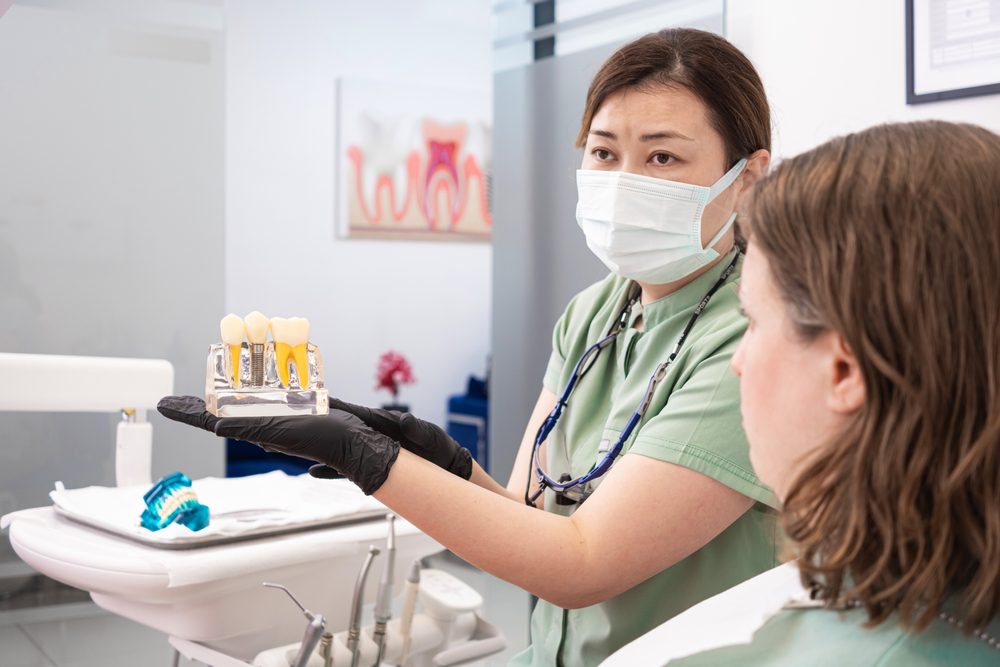
Botox For Teeth Grinding And Jaw Clenching
Many patients seeking Botox for TMJ relief also struggle with nighttime teeth grinding or daytime jaw clenching. Over time, constant muscle tension can place excessive pressure on the jaw joints and teeth, contributing to enamel wear, cracked teeth, jaw soreness, headaches, and facial fatigue.
Botox works by reducing the intensity of muscle contractions in the jaw. While it does not completely stop movement, it can help decrease the force behind clenching and grinding behaviors that contribute to TMJ discomfort.
Patients often notice that their jaw feels less tense, headaches become less frequent, and morning soreness improves after treatment.
Cost Of Botox For TMJ In Burke, VA
The cost of Botox for TMJ treatment varies depending on the number of areas treated, the severity of muscle tension, and how many Botox units are needed to achieve relief. Some patients only require treatment in the masseter muscles, while others may benefit from additional treatment areas based on their symptoms and jaw activity.
Because every case is different, the best way to determine pricing is through an evaluation and treatment consultation. During the appointment, the dentist can discuss expected treatment areas, how often maintenance visits may be needed, and whether Botox is being used alongside other TMJ therapies.
Some insurance plans may provide partial coverage when Botox is used therapeutically for TMJ-related symptoms, although coverage varies between providers.
About TMD with Botox
Your Trusted Provider for TMD Botox in Burke, VA
At Shield Dental Care, we understand how disruptive TMD can be to your daily life. Dr. Ghorbani tailors each Botox treatment for TMD to your anatomy and symptoms.
Our goal is to help you restore comfort, balance, and function to your jaw — so you can eat, speak, and smile more comfortably. Whether your TMD stems from muscle tension, stress, or grinding, we’ll create a plan that fits the cause.
Many patients looking for TMJ Botox treatment in Burke are dealing with symptoms that interfere with everyday routines, including headaches during work, jaw soreness while eating, or teeth grinding that becomes worse during stressful periods. Because these symptoms often develop gradually, patients frequently seek evaluation after noticing the discomfort becoming more consistent or harder to ignore.
Final Thoughts: Is Botox Right for Your TMD?
TMD with Botox is a minimally invasive option for jaw pain and tension that come mainly from overworked muscles. For the right patient, relaxing those muscles can make a real difference to comfort, and we will be honest with you if we think another treatment is a better fit.
If you’re ready to explore how Botox can help relieve your TMD symptoms, contact Shield Dental Care in Burke, VA today. Schedule your consultation and take the first step toward a pain-free, relaxed, and confident smile.
Top Rated Dentist in Burke VA
At Shield Dental Care, we take pride in being a top-rated Dentist in Burke, VA. We are dedicated to enhancing your charming smile. Our philosophy revolves around your smile being a beautiful reflection of your persona, a unique signature that merits the finest attention.
Tour Our Burke Dental Office
Experience the best of dental technology and service at Shield Dental Care. Situated conveniently at 6505 Sydenstricker Rd B, Burke, VA 22015,
Related Blogs
- What to Expect at Your Cosmetic Dentistry Consultation
- 5 Signs You Should See a Cosmetic Dentist
- How Much Does a Smile Makeover Cost? A Complete Guide
Frequently Asked Questions
Is Botox safe for TMD treatment?+
Serious side effects are rare when Botox is given by a trained provider at the small doses used in the jaw. Common side effects are temporary tenderness or bruising at the injection sites and, for a few weeks, jaw muscles that tire more quickly when chewing tough food. Using Botox for TMD is off-label, and research on how well it works is mixed. We go through this with you before treatment.
How long does Botox last for TMD?+
Results typically last 3–4 months , depending on your metabolism and muscle activity. Regular maintenance treatments can extend your relief.
Will Botox affect my ability to chew or smile?+
It should not change your facial expressions. For a few weeks, chewing tough foods can tire the jaw more quickly. Uncommonly, the product affects a nearby smile muscle and the smile looks briefly uneven; this wears off.
Is Botox covered by insurance for TMD?+
Coverage varies a lot, and many plans do not cover Botox for TMD. We are happy to help you check your plan before treatment.