
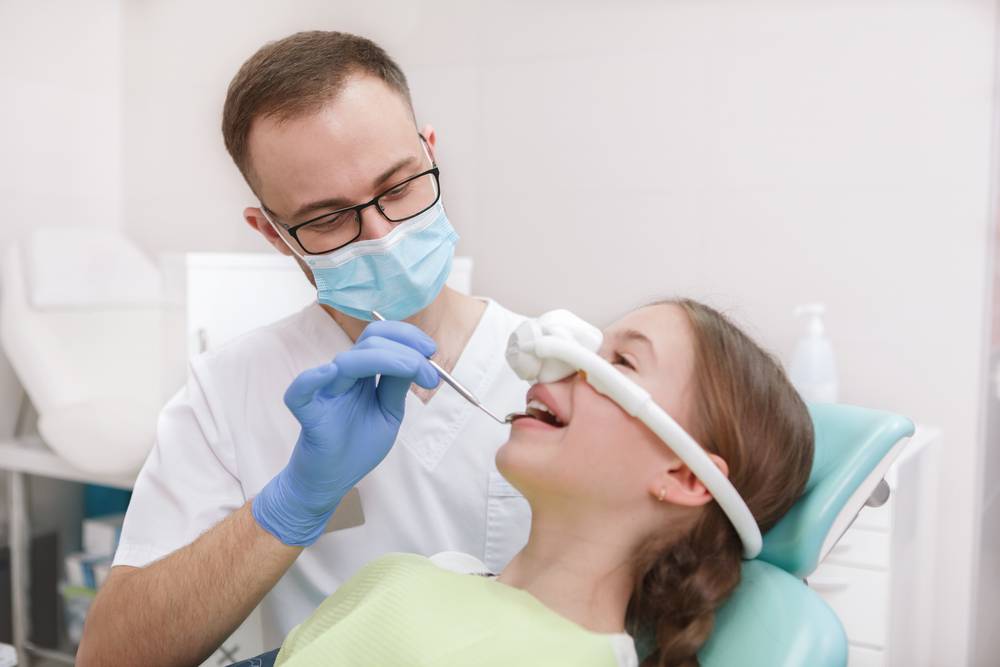
Yes. You can be sedated for a routine teeth cleaning. Nitrous oxide (laughing gas) is the most common choice because it calms you within minutes and wears off soon after the mask comes off. Oral sedation is an option when anxiety is stronger, and IV sedation is usually kept for longer or more involved visits, such as a cleaning combined with other treatment. The right level depends on your anxiety, your health and what else needs to be done that day.
If fear has kept you away from cleanings, you are not unusual, and asking for sedation is a reasonable request. Here is how it works, what each level feels like during a cleaning and how to ask for it. For the full range of options we offer, see sedation dentistry at Shield Dental Care.
Why some people need sedation for “just a cleaning”
A cleaning can sound minor, but for some people it is the hardest visit of all. The scraping sounds, the water spray, the hygienist’s instruments near the gums and long stretches with the mouth open can all trigger anxiety. People who ask for sedation for cleanings often have one or more of these:
- Dental anxiety or phobia. Even the thought of the chair brings on dread. Our article on dental phobia vs. dental anxiety explains the difference.
- A strong gag reflex. Instruments and the suction tip at the back of the mouth set it off. See sedation for a strong gag reflex.
- Sensitive teeth or gums. Tender, inflamed gums make scaling uncomfortable.
- Years since the last cleaning. More buildup means a longer, more involved visit. Our guide for people who haven’t been to the dentist in years covers this.
- Difficulty sitting still or keeping the mouth open because of a medical condition, back pain or jaw problems.
Which sedation level fits a cleaning?
Nitrous oxide: the usual first choice
With nitrous oxide, you breathe a mix of nitrous oxide and oxygen through a small mask over your nose. The American Dental Association’s patient site says you stay awake and able to respond, may feel light-headed, tingly or heavy in your arms and legs, and should feel calm and comfortable. The effects wear off soon after the mask is removed. That makes it a good fit for a cleaning: it works quickly, the level can be adjusted during the visit and most people can go about their day afterward. Our article on what to expect from nitrous oxide has more detail.
Oral sedation: for stronger anxiety
Oral sedation is a prescribed pill taken before the appointment. You stay awake but feel drowsy and relaxed, and you may remember little of the visit. Because the medication takes hours to wear off, you need a companion to drive you home. For people whose anxiety is too strong for nitrous oxide alone, it can make a cleaning possible. Read more in oral conscious sedation: what to expect.
IV sedation: when the cleaning is part of a bigger visit
IV sedation delivers medication through a small line in a vein, so the level can be adjusted throughout the visit. It is more than most people need for a routine cleaning alone. It makes more sense when a cleaning is combined with other work, such as a deep cleaning, fillings or extractions, so several treatments can be done in one appointment. See IV sedation: what to expect, step by step.
Sedation is not the same as numbing
Sedation calms you; it does not numb your gums. A routine cleaning usually does not need numbing at all, but if your gums are very sensitive or you need a deep cleaning (scaling and root planing), local anesthetic may be used in the areas being treated as well. If numbing has not worked well for you in the past, read why dental numbing sometimes doesn’t work and tell us before the visit.
What a sedated cleaning visit looks like
- Before the visit. Dr. Pejman Ghorbani reviews your medical history and medications, talks through what worries you and recommends a level of sedation. You get written instructions, including any eating and drinking limits for oral or IV sedation.
- Getting comfortable. For nitrous oxide, the mask goes on and you breathe normally for a few minutes until you feel relaxed. For oral sedation, the medication is taken ahead of time as directed.
- The cleaning. The hygienist removes plaque and tartar, polishes the teeth and may take X-rays and an exam, just as in any cleaning. You can still signal if you need a break.
- Afterward. With nitrous oxide, you breathe oxygen for a few minutes as it clears. With oral or IV sedation, you rest until you are ready to leave with your companion and take the rest of the day easy.
Our guide to preparing for sedation dentistry covers the practical steps in more detail.
Is sedation for a cleaning covered by insurance?
Coverage varies. Many plans cover sedation only when it is considered medically necessary, and some do not cover it for routine cleanings at all. Our team can check your plan before the visit so there are no surprises. For typical costs and payment options, see how much dental sedation costs.
Making regular cleanings easier over time
For many people, a few calm, sedated cleanings change how the dentist feels. Each visit that goes well makes the next one easier, and some patients later need less sedation or none. Small things help too: booking a morning appointment so you are not worrying all day, agreeing on a stop signal, bringing headphones and asking the hygienist to explain each step. If panic is part of the picture, our article on what to do about a panic attack at the dentist may help.
Regular cleanings are one of the simplest ways to avoid bigger dental problems later, and fear should not be the reason you miss them. To talk through your options, read more about sedation dentistry at Shield Dental Care, call (703) 250-5072 or request an appointment at our office in Burke, VA.
Frequently Asked Questions
Frequently Asked Questions
Frequently Asked Questions
Frequently Asked Questions
Can I get laughing gas for a teeth cleaning?+
Yes. Nitrous oxide is often used for cleanings because it takes effect within minutes and wears off soon after the mask is removed. Ask for it when you book so the team can plan for it.
Can I drive after a cleaning with sedation?+
After nitrous oxide alone, many people can drive once it has cleared, as your dentist confirms. After oral or IV sedation you cannot drive, so you need a companion to take you home.
Will I be asleep during a sedated cleaning?+
No. The sedation levels we offer keep you awake and relaxed. With oral or IV sedation you may feel drowsy and remember little of the visit, but you can still respond.
Does sedation make the cleaning take longer?+
A little time is added for the sedation to take effect and wear off. For many anxious patients the cleaning itself goes more smoothly because they can relax.
Do I need sedation for every cleaning?+
Not necessarily. Some people use it for a few visits and then find they need less or none. We review it with you each time.
Cavities develop gradually, not overnight. Bacteria in your mouth feed on sugars and starches, producing acids that pull minerals from your enamel. Saliva repairs some damage, but frequent acid attacks overwhelm it, and plaque lets bacteria attack the tooth directly. Left unchecked, decay progresses from the enamel into the dentin, pulp, and eventually an abscess. Good hygiene, diet, and regular dental visits keep cavities preventable.