
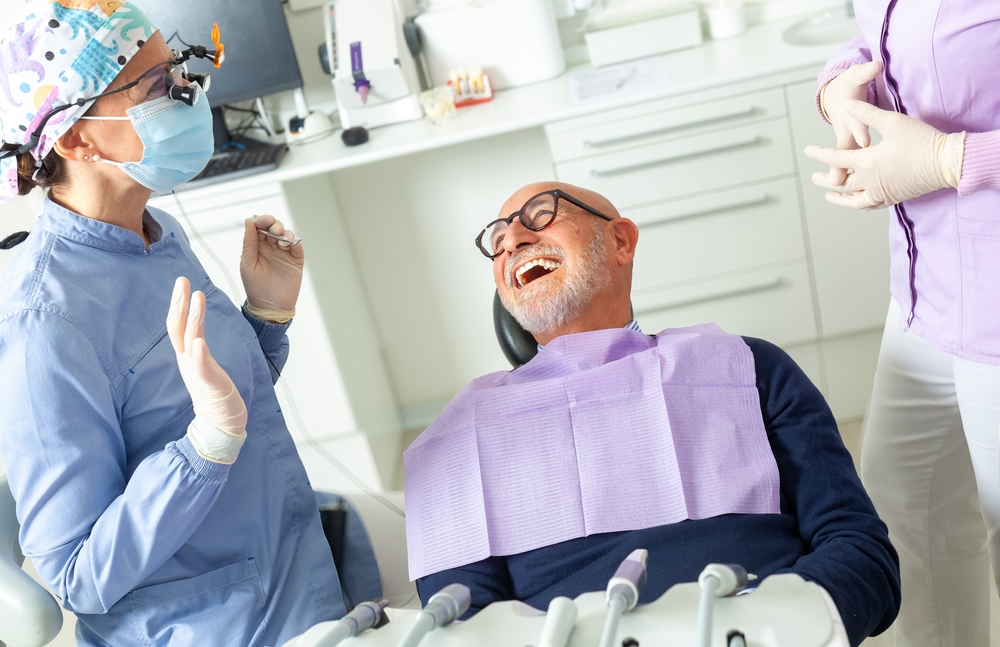
Oral sedation means swallowing a prescribed sedative pill, timed so it is working when your treatment starts. You stay awake enough to answer questions and follow simple instructions, but you feel calm, heavy and drowsy, and many people remember very little of the visit afterwards. Because the effects last for hours, you need a responsible adult to drive you and stay with you, and you should plan to rest for the rest of the day. At Shield Dental Care in Burke, oral sedation is one of the sedation options Dr. Pejman Ghorbani can recommend after reviewing your health history.
What oral sedation is, and what it is not
Oral sedation (sometimes called oral conscious sedation or enteral sedation) uses a medicine you take by mouth to lower anxiety. In dentistry it is often a medicine from the benzodiazepine family, the same group of drugs used short-term for anxiety and sleep. Your dentist chooses the medicine and dose for you based on your age, weight, health and other medicines.
It is important to know what it does not do. Oral sedation calms you, but it does not numb your teeth. Your dentist still uses local anesthetic for anything that would otherwise hurt. Oral sedation is also not general anesthesia: you are not “knocked out”, and you keep breathing on your own and responding to your name.
The American Dental Association describes sedation as a set of levels rather than a single state. Minimal sedation leaves you relaxed but responding normally to speech. Moderate sedation means you respond purposefully to spoken instructions, perhaps with a light touch, and need no help to breathe. The ADA’s 2025 guidelines note that the level reached depends on the drug and dose, not on whether it was given as a pill, a gas or through a vein, which is why the dose for oral sedation is planned carefully in advance.
If you are still deciding between a pill and laughing gas, our comparison of oral sedation vs. nitrous oxide covers the differences side by side. This article walks through what an oral sedation appointment is actually like.
Before the appointment
The consultation
Sedation starts with a conversation, not a prescription. Expect to be asked about:
- Every medicine you take, including over-the-counter sleep aids, allergy pills, cannabis, supplements and weight-loss injections such as Ozempic or Mounjaro (see GLP-1 medicines and dental sedation).
- Medical conditions such as sleep apnea, lung or heart disease, liver or kidney problems, and glaucoma.
- Pregnancy or breastfeeding, which change the advice (see sedation while pregnant or breastfeeding).
- Alcohol and opioid use. The FDA warns that combining benzodiazepines with opioids, alcohol or other sedating drugs can dangerously slow breathing. Be completely open about this; it is a safety question, not a judgement.
- How you have reacted to sedatives before, if you have had them.
If you have sleep apnea, read sedation and sleep apnea before your visit, and bring your CPAP details.
Instructions to follow
You will get written instructions. They usually cover when to take the pill (some offices have you take it at home, others in the office), whether to stop eating and drinking beforehand, which of your usual medicines to take that morning, and what to avoid, such as alcohol. Some sedatives also interact with grapefruit juice. Follow the instructions you are given rather than general advice online, because they are written for your medicine and your health.
Arrange your companion
You cannot drive after oral sedation, and you should not take a taxi or rideshare alone. Arrange a responsible adult who can bring you, wait or come back for you, drive you home and stay with you for the next few hours. If you take the pill at home, your companion drives you to the appointment too.
On the day
- Wear comfortable clothes with short sleeves or sleeves that roll up, so a blood pressure cuff fits easily.
- Expect checks before treatment starts. The team reviews your health and medicines again and records baseline readings such as blood pressure and pulse.
- The medicine takes time to work. You will notice your worries fading and your body feeling heavy and slow.
- You will still be numbed. Local anesthetic is given once you are relaxed, and many people barely notice it.
- You may doze. You can still be woken easily and will be able to open your mouth, turn your head or answer when asked.
- Time passes quickly. A long appointment often feels short, and memories of it are patchy or absent.
For a fuller description of the sensations, see what dental sedation feels like.
Afterwards
You are not sent home until you are steady and alert enough to leave with your companion. Drowsiness and slow reactions can last for the rest of the day, even when you feel fine. For the rest of that day, do not drive, drink alcohol, operate machinery, sign important documents or make big decisions, and have someone check on you. How long the effects last depends on the medicine and dose; how long dental sedation lasts explains typical recovery times for each type.
Call the office if anything worries you after you get home, and call 911 for trouble breathing or if you cannot wake someone.
Who oral sedation suits, and who it may not
Oral sedation often suits people with moderate anxiety, a strong gag reflex, or a longer appointment where several treatments are done at once. It needs no needle to start, which matters if needles are part of the fear (see fear of needles at the dentist).
It is less adjustable than other options. Once you have swallowed the pill, the dose cannot be fine-tuned during the visit the way IV sedation can. For short visits and mild nerves, nitrous oxide may be all you need and wears off within minutes. Certain health conditions or medicines may make another level, or no sedation, the safer choice. That is a decision for you and your dentist together.
Oral sedation at Shield Dental Care
Shield Dental Care offers nitrous oxide, oral sedation and IV sedation. Dr. Ghorbani reviews your medical history and medicines, talks through what makes dental visits hard for you, and recommends the level that fits your health and the treatment planned. You will know what to take, when to stop eating, who needs to come with you and what the day will look like before you commit to anything. Costs and insurance are covered in our dental sedation cost guide.
To talk about whether oral sedation is right for you, visit our sedation dentist page or call (703) 250-5072.
Frequently Asked Questions
Frequently Asked Questions
Frequently Asked Questions
Frequently Asked Questions
Will I be asleep with oral sedation?+
Not fully. You may doze, but you can be woken easily and can respond when spoken to. Many people remember little afterwards, so it can feel as if they slept through it. Being completely unconscious is general anesthesia, which is different.
Can I drive after oral sedation?+
No. You need a responsible adult to drive you home and stay with you for some hours. Do not drive or operate machinery for the rest of the day.
Does oral sedation replace the numbing shot?+
No. Sedation relaxes you; local anesthetic numbs the area being treated. You will usually have both, and the sedation makes the numbing much easier to sit through.
Can I take oral sedation if I take other medicines?+
Often, but it depends on the medicine. Some, including opioid pain medicines, other sedatives and certain antibiotics and antifungals, change how sedatives work. Bring a full list, including supplements, and do not stop any medicine unless your doctor or dentist tells you to.
How is oral sedation different from IV sedation?+
Oral sedation is a pill taken before treatment, and its effect cannot be adjusted once swallowed. IV sedation is given through a small tube in a vein, works faster and can be adjusted during treatment.
Cavities develop gradually, not overnight. Bacteria in your mouth feed on sugars and starches, producing acids that pull minerals from your enamel. Saliva repairs some damage, but frequent acid attacks overwhelm it, and plaque lets bacteria attack the tooth directly. Left unchecked, decay progresses from the enamel into the dentin, pulp, and eventually an abscess. Good hygiene, diet, and regular dental visits keep cavities preventable.