
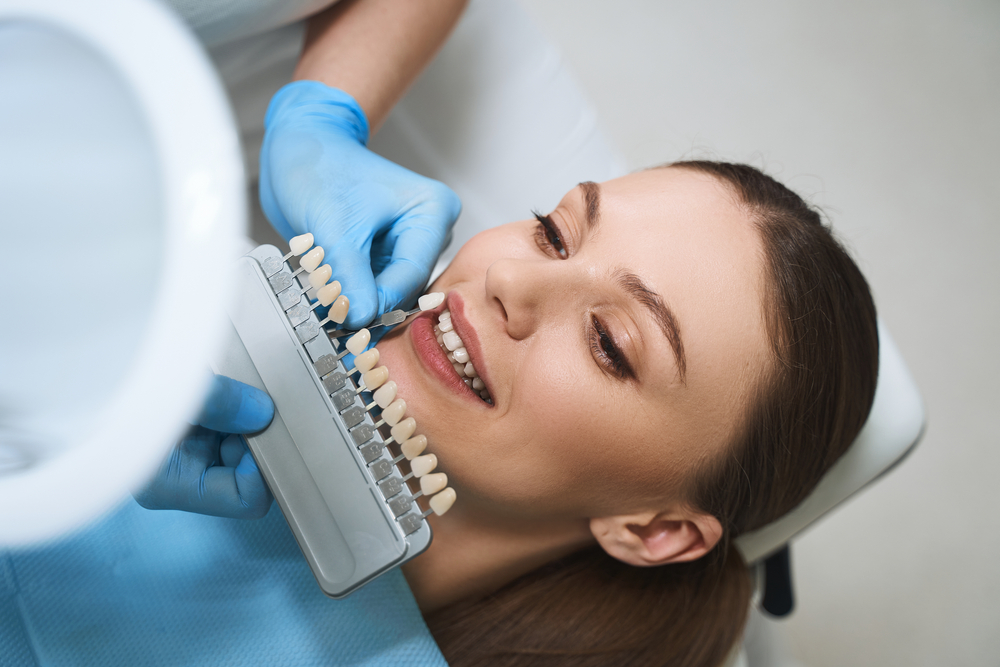
Zirconia full-arch teeth are stronger and resist staining and wear better than acrylic, which makes them the more durable choice for most people. Acrylic teeth cost less and are easier to repair or adjust, but they wear, stain and chip more often, and usually need replacing sooner. The right choice depends on your bite and your budget.
What the two materials are
A fixed full-arch prosthesis is a single bridge of teeth and artificial gum, screwed onto implants in your jaw. It can be made from different materials, and the two you will hear about most are acrylic and zirconia.
Acrylic (often PMMA, a dental resin) arches are made of acrylic teeth and pink acrylic gum, usually built over a metal bar for strength. This is the traditional design, sometimes called a hybrid denture. Acrylic is also the usual material for the temporary teeth you wear while your implants heal.
Zirconia is a very strong ceramic. A monolithic zirconia arch is milled from one solid block, then shaded and glazed so the teeth and gums look natural. Because it is ceramic, it is sometimes described as porcelain, and some designs add a thin layer of porcelain on top for appearance.
Strength and chipping
Fracture of the artificial teeth is a known problem with acrylic arches. In one retrospective study of 161 fixed full-arch metal-acrylic prostheses, 40% had at least one tooth fracture during follow-up, and the authors called tooth fractures a common complication. An international consensus of the ITI (International Team for Implantology) likewise lists wear or fracture of the veneering material or artificial teeth among the more common complications of definitive full-arch prostheses.
Monolithic zirconia has no separate teeth set into a softer base, so there is less to chip off. A 2021 systematic review of full-arch implant-supported monolithic zirconia found it associated with high short-term success, while noting that strong long-term data are still lacking. That caveat matters: zirconia full arches are newer than acrylic, and the evidence is good but still building.
Zirconia is not unbreakable. Where porcelain is layered on top for appearance, that layer can chip. Heavy grinding and clenching stress any material, which is why a night guard is often recommended.
Wear, staining and hygiene
- Wear. Acrylic is softer, so the biting surfaces wear down over the years, which can change how your teeth meet. Zirconia keeps its shape.
- Staining and odor. Acrylic is more porous and can pick up stains from coffee, tea, red wine and tobacco over time. Glazed zirconia is smooth and much more stain resistant.
- Cleaning. Neither arch comes out at home, and both need careful cleaning underneath with a water flosser or special floss. A smooth, polished surface makes that easier. Our guide to caring for dental implants covers the routine.
Repairs and adjustments
This is acrylic’s real advantage. A chipped or broken acrylic tooth can often be repaired, sometimes the same day, and the arch can be adjusted or relined if your bite or gums change. That makes acrylic forgiving, and it is why it is used for the temporary teeth while everything heals and settles.
Zirconia is milled to its final shape and cannot be added to in the same way. Small chips can be polished, but a significant fracture usually means making a new arch. Labs keep the digital design file, so a replacement can often be milled from the same design, but it is a remake, not a patch.
Grinding, clenching and your opposing teeth
If you grind or clench, especially at night, your full-arch teeth take more force than average. Acrylic teeth wear and chip faster under that load. Zirconia holds up better, but grinding can still loosen screws, chip layered porcelain or overload the implants, so the plan usually includes a custom night guard to protect the arch while you sleep.
It also matters what the arch bites against. Natural teeth, a denture or another implant arch on the opposite jaw each meet the new teeth differently. In the acrylic tooth-fracture study mentioned above, arches opposing natural teeth had more fractures. Your dentist will plan the material and the bite together rather than choosing the material on its own.
Look and feel
Both can look natural in skilled hands. Acrylic teeth can look very good when new but may dull and discolor with time. Zirconia has a more lifelike translucency and keeps its appearance. Zirconia arches can feel heavier and need enough vertical space in the mouth for the material to be thick enough, which is one of the things the planning scan checks.
Cost over time
Acrylic is usually the lower upfront cost. Over the long run, the comparison is closer than it looks: acrylic arches are more likely to need repairs, and many need replacing after some years of wear. When you compare quotes, check which material the price assumes. A low quote may be for acrylic, with zirconia as an extra; our article on what a full-arch quote should include covers that.
At Shield Dental Care in Burke, VA, our full-arch fee includes the temporary teeth and final zirconia teeth. See our full-mouth implant pricing and what it includes.
Questions to ask about the material
- Is the final arch solid zirconia, layered zirconia or acrylic over a metal bar?
- Who designs and mills it, and is the design file kept in case a replacement is needed?
- What happens if a tooth chips, and what would a repair or remake cost?
- Will I need a night guard?
You can read more about the implants themselves on our dental implants in Burke page.
Which is right for you?
- Zirconia tends to suit people who want the most durable, stain-resistant result and have enough room in the mouth for it.
- Acrylic can suit a tighter budget, a situation where adjustments are likely, or limited space.
- Grinders need extra planning with either material, usually including a night guard.
Dr. Pejman Ghorbani will look at your bite, your jaw and your scan before recommending a material. Read more about the treatment on our All-on-4 implants page, or call (703) 250-5072 to book a consultation.
Frequently Asked Questions
Frequently Asked Questions
Frequently Asked Questions
Frequently Asked Questions
Is zirconia better than acrylic for full-arch implants?+
For durability, usually yes: zirconia is stronger and resists wear and staining. Acrylic is cheaper and easier to repair. The better choice depends on your bite, the space available and your budget.
Can zirconia full-arch teeth break?+
Yes, though it is uncommon. Layered porcelain can chip, and heavy grinding stresses any material. A significant fracture usually means a new arch rather than a repair.
Why are temporary teeth made of acrylic?+
Acrylic is easy to adjust and repair while your implants heal and your gums change shape. Once healing is complete, the final teeth are made. See temporary teeth after full-arch implants
Is zirconia the same as porcelain?+
Both are ceramics, which is why zirconia is often called porcelain. Zirconia is much stronger than traditional porcelain. Some arches are solid zirconia; others have a thin porcelain layer added for appearance.
Do acrylic full-arch teeth stain?+
They can, over time, especially with coffee, tea, red wine or tobacco. Glazed zirconia is much more stain resistant.
Cavities develop gradually, not overnight. Bacteria in your mouth feed on sugars and starches, producing acids that pull minerals from your enamel. Saliva repairs some damage, but frequent acid attacks overwhelm it, and plaque lets bacteria attack the tooth directly. Left unchecked, decay progresses from the enamel into the dentin, pulp, and eventually an abscess. Good hygiene, diet, and regular dental visits keep cavities preventable.