
- The Anatomy of an Infection: Peri-Implant Mucositis and Peri-Implantitis
- Key Causes and Risk Factors for Implant Infections
- Diagnosis: How Your Dentist Identifies an Infection
- Treatment Pathways for Dental Implant Infections
- Prevention: Your Role in Lifelong Implant Success
Dental implants are a cornerstone of modern dentistry, providing a strong, reliable, and long-lasting solution for missing teeth. They restore not just the function of a healthy bite but also the confidence that comes with a complete smile. With success rates consistently above 95%, implants are one of the most effective treatments available. However, like any medical procedure, they are not entirely without risk. The primary threat to the longevity of a dental implant is infection.
Understanding the causes of dental implant infections is the first step toward preventing them. These conditions, known as peri-implant diseases, can jeopardize the stability of the implant and the health of your surrounding tissues. At Shield Dental Care, we are committed to empowering our patients with the knowledge they need to protect their investment and maintain excellent oral health.
This guide will provide a detailed explanation of what dental implant infections are, the factors that put you at risk, and the advanced treatment options available. Our goal is to reassure you that with proper care and professional support, your dental implant can last a lifetime.
The Anatomy of an Infection
When discussing dental implant infections, dentists refer to two specific conditions: peri-implant mucositis and peri-implantitis. These are similar to gingivitis and periodontitis, the stages of gum disease that affect natural teeth. The prefix “peri” means “around,” so these diseases literally mean “inflammation around the implant.”
Both conditions are caused by an accumulation of bacterial plaque around the implant post where it meets the gum line. If not removed through diligent cleaning, this plaque hardens into tartar, which irritates the gums and triggers an inflammatory response from the body’s immune system.
Peri-Implant Mucositis: The Early Warning Sign
Peri-implant mucositis is the initial, reversible stage of infection. It is an inflammation that is confined to the soft gum tissue (mucosa) surrounding the dental implant. Because it doesn’t involve bone loss, it is completely treatable and can be resolved without long-term damage if caught early.
Symptoms of Peri-Implant Mucositis
The signs of peri-implant mucositis are often subtle, which is why regular check-ups are so important. You might notice:
- Redness and Swelling: The gums around the implant crown may appear puffy, shiny, and have a reddish or purplish hue instead of a healthy pink.
- Bleeding on Brushing or Probing: One of the most common signs is bleeding when you brush or floss around the implant. Healthy gums should not bleed.
- Tenderness: The area might feel slightly sore or tender to the touch.
- Bad Breath (Halitosis): The bacterial buildup can produce a persistent unpleasant odor or taste.
The key takeaway is that peri-implant mucositis is a wake-up call. It’s your body signaling that plaque is accumulating and that your cleaning routine needs improvement. At this stage, the implant itself is not yet in danger.
Peri-Implantitis: The Destructive Progression
If peri-implant mucositis is left untreated, the bacterial infection can progress deeper, leading to peri-implantitis. This is a much more serious condition. The inflammation spreads from the soft tissues to the underlying jawbone that supports the implant.
In response to the chronic infection, the body’s immune system begins to destroy not only the bacteria but also the bone tissue that has fused with the implant. This process of bone resorption weakens the implant’s foundation. As the bone deteriorates, the implant can become loose and may ultimately fail.
Symptoms of Peri-Implantitis
Peri-implantitis includes all the symptoms of mucositis, but with additional, more severe signs:
- Pocket Formation: The inflammation causes the gums to pull away from the implant, creating deep pockets. These pockets are difficult to clean and become reservoirs for more harmful bacteria.
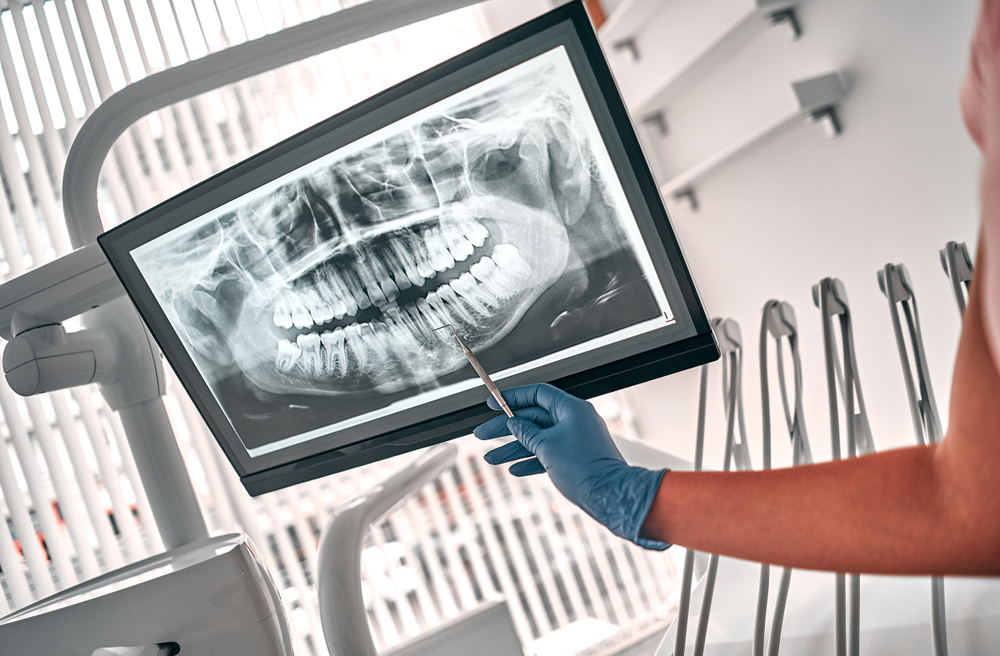
- Bone Loss: This can only be confirmed with a dental X-ray. Your dentist will see a noticeable decrease in the bone height around the implant.
- Pus or Discharge: A clear sign of advanced infection is the presence of pus (suppuration) that may ooze from the gum line when pressure is applied.
- Implant Looseness or Mobility: In its final stages, the significant loss of bone will cause the once-stable implant to feel loose or wiggle. This is a definitive sign of implant failure.
- Pain: While early stages can be painless, advanced peri-implantitis may cause a dull, throbbing ache around the implant area, especially when chewing.
Unlike mucositis, peri-implantitis involves irreversible damage to the bone. While treatment can halt its progression and sometimes regenerate some lost bone, it is a complex and serious threat to your dental implant.
Bleeding, swelling, discharge, pain, or implant movement may indicate a serious dental implant infection that should be evaluated promptly. Contact Shield Dental Care in Burke, VA to request an urgent implant appointment.
Key Causes and Risk Factors for Implant Infections
Dental implant infections don’t happen spontaneously. They are almost always the result of a combination of factors, many of which are within a patient’s control. Understanding these risks is crucial for prevention.
Poor Oral Hygiene: The Primary Culprit
The number one cause of both peri-implant mucositis and peri-implantitis is inadequate oral hygiene. A dental implant and its crown require the same, if not more, meticulous cleaning as a natural tooth.
Bacteria in the mouth constantly form a sticky biofilm called plaque on all surfaces, including implant crowns and abutments. If this plaque is not removed daily through effective brushing and flossing, it creates the perfect environment for an infection to take hold. Many people mistakenly believe that because an implant is artificial, it doesn’t need to be cleaned as thoroughly. This is a dangerous misconception. The gum and bone tissues surrounding the implant are living and vulnerable to the same bacteria that cause gum disease. Our expert team provides comprehensive guidance on dental hygiene care to help you protect your investment.
History of Periodontitis (Gum Disease)
Patients who have a history of moderate to severe periodontitis affecting their natural teeth are at a significantly higher risk of developing peri-implantitis. The same aggressive bacteria responsible for their previous gum disease can colonize the area around a new implant.
This doesn’t mean you can’t get an implant if you’ve had gum disease. However, it is absolutely essential that your periodontitis is fully treated and under control before implant surgery. It also means you must be exceptionally diligent with your long-term hygiene and maintenance schedule to prevent a recurrence of infection around the implant.
Smoking and Tobacco Use
Smoking is one of the most significant risk factors for dental implant complications, including infection and failure. The negative effects are multifaceted:
- Impaired Healing: Nicotine constricts blood vessels, reducing blood flow to the gums and bone. This slows down the initial healing process (osseointegration) and hampers the tissues’ ability to fight off infection later.
- Masked Symptoms: Smoking can mask the early signs of infection. Because it reduces blood flow, smokers’ gums may not bleed as readily, taking away a key warning sign of peri-implant mucositis.
- Altered Oral Environment: Smoking dries out the mouth and can change the composition of the oral microbiome, potentially favoring the growth of more harmful bacteria.
- Weakened Immune Response: It compromises the body’s overall immune function, making it harder to combat a developing infection.
Studies have consistently shown that the rate of peri-implantitis and implant failure is substantially higher in smokers compared to non-smokers. Quitting smoking is the single most effective step you can take to ensure the long-term success of your implant.
Systemic Health Conditions
Certain medical conditions can affect your body’s ability to heal and fight infection, increasing your risk for peri-implantitis.
- Uncontrolled Diabetes: High blood sugar levels can impair wound healing, weaken the immune response, and increase susceptibility to all types of infections, including those in the mouth. Patients with well-managed diabetes can have successful implant outcomes, but control is key.
- Osteoporosis: While the link is still being studied, some research suggests that medications used to treat osteoporosis (bisphosphonates) and the condition itself could potentially affect the jawbone’s ability to support an implant.
- Autoimmune Diseases: Conditions like Rheumatoid Arthritis or Lupus, and the medications used to treat them, can suppress the immune system, making a patient more vulnerable to infections.
It is vital to provide your dentist with a complete and honest medical history so they can properly assess your individual risk profile.
Other Contributing Factors
- Cement Residue: In some cases, the crown is cemented onto the implant abutment. If a small amount of excess dental cement gets trapped under the gum line during this process, it can act as a foreign body, causing chronic inflammation and creating a surface where bacteria can thrive.
- Poorly Fitting Prosthetics: A crown or bridge that doesn’t fit correctly can create ledges or gaps that are impossible to clean, leading to plaque accumulation. It can also create improper biting forces that stress the implant and bone.
- Bruxism (Teeth Grinding): The excessive and repeated force from clenching or grinding can overload the implant, potentially causing micro-fractures in the surrounding bone or loosening of implant components, which may contribute to inflammation.
Diagnosis: How Your Dentist Identifies an Infection
Diagnosing peri-implant disease requires a thorough clinical examination. At Shield Dental Care, our diagnostic process is meticulous.
- Visual Inspection: We first look for the visible signs of inflammation: redness, swelling, and changes in gum texture around the implant.
- Periodontal Probing: Using a special periodontal probe, we gently measure the depth of the “pocket” or sulcus between the gum and the implant. Healthy pockets are typically 1-3mm. Depths greater than 4-5mm, especially if they have increased since the last visit, indicate a problem. We also check for bleeding on probing, a key indicator of active inflammation.
- Radiographic Evaluation (X-rays): X-rays are essential for assessing the one thing we can’t see: the bone. We take periodic X-rays to compare the current bone level around the implant to a baseline image taken when the implant was first restored. Any V-shaped or saucer-shaped bone loss is a definitive sign of peri-implantitis.
- Mobility Check: We test both the crown and the implant itself for any signs of looseness. A loose crown may be a simple mechanical issue, but a loose implant indicates significant bone loss.
Treatment Pathways for Dental Implant Infections
The treatment for a dental implant infection depends entirely on its stage. The goal for peri-implant mucositis is reversal, while the goal for peri-implantitis is to halt the disease’s progression and save the implant.
Treating Peri-Implant Mucositis (Non-Surgical)
Because mucositis only affects the soft tissue, it can typically be resolved with non-surgical treatment.
- Professional Cleaning: The first step is a thorough professional cleaning. The hygienist will use specialized instruments made of materials like plastic or titanium that will not scratch the implant surfaces to remove all plaque and tartar from the crown and around the gum line.
- Improved Oral Hygiene Instruction: This is the most critical component. We will review your home-care techniques and show you the most effective ways to clean your implant. This may involve recommending specific tools like water flossers, interdental brushes, or implant-specific floss to clean the hard-to-reach areas.
- Antimicrobial Rinse: In some cases, we may recommend a short-term course of a prescription-strength antimicrobial mouth rinse to help reduce the bacterial load.
With a combination of professional cleaning and diligent home care, peri-implant mucositis can usually be fully resolved within a few weeks.
Treating Peri-Implantitis (Surgical and Non-Surgical)
Treating peri-implantitis is more complex because it involves bone loss. The approach depends on the severity of the damage.
Non-Surgical Debridement
For early peri-implantitis, the first step is similar to treating mucositis: a meticulous deep cleaning of the implant surface to remove bacterial deposits. This process, called debridement, aims to decontaminate the implant surface and the pocket around it. This may be enough to stop the disease progression in its very early stages, but frequent follow-up is necessary.
Surgical Intervention
In most cases of moderate to advanced peri-implantitis, surgery is required. Non-surgical methods are often unable to access and clean the deeper parts of the implant that have been exposed by bone loss. Our specialists in periodontal gum surgery may recommend one of the following procedures.
- Flap Surgery and Implantoplasty: The surgeon makes a small incision to create a “flap” in the gum tissue, providing direct visual access to the infected implant and the bone defect. The contaminated implant surface is then thoroughly cleaned and decontaminated. In some cases, a procedure called implantoplasty is performed, where the exposed, rough threads of the implant are smoothed down to create a surface that is less likely to attract plaque in the future. The gum tissue is then sutured back into place.
- Bone Grafting (Guided Bone Regeneration): After the implant has been decontaminated, the surgeon may place bone grafting material into the defect created by the infection. This material acts as a scaffold, encouraging your body to regenerate new bone to help re-support the implant. A special membrane is often placed over the graft to protect it and guide the healing process.
Implant Removal
In cases of very advanced peri-implantitis where there is severe bone loss and the implant is mobile, it may not be possible to save it. Attempting to treat an implant with a hopeless prognosis can lead to further bone destruction, complicating future treatment. In this situation, the best course of action is to remove the implant.
After the site has fully healed (which may involve a bone graft to restore the lost bone), it is often possible to place a new implant.
If you are experiencing worsening implant pain, swelling, pus, or implant looseness, do not wait for symptoms to progress. Contact Shield Dental Care today to schedule an emergency dental implant evaluation.
Prevention: Your Role in Lifelong Implant Success
The best treatment for infection is prevention. The long-term health of your dental implant is a partnership between you and your dental team.
- Impeccable Home Care: Brush twice daily and floss (or use a water flosser/interdental brush) at least once daily. Be meticulous in cleaning all sides of the implant crown and along the gum line.
- Regular Professional Maintenance: Do not skip your regular dental check-ups and cleanings. These appointments, typically recommended every 3-6 months for implant patients, are crucial for early detection and professional removal of stubborn tartar. Our Shield Prevention Plan is an excellent option for patients seeking affordable, consistent preventative care.
- Healthy Lifestyle: Avoid smoking and manage systemic health conditions like diabetes effectively.
- Follow Professional Advice: Use the specific cleaning aids recommended by your dentist or hygienist and wear a nightguard if you grind your teeth.
Explore our blogs for more tips on oral health and dental care.
Your Partner in Implant Health
A dental implant infection can be a concerning diagnosis, but it is important to remember that effective treatments are available, especially with early detection. The team at Shield Dental Care has extensive experience in all aspects of implant dentistry, from initial placement to long-term maintenance and the management of complications.
If you have a dental implant and notice any signs of trouble—such as bleeding gums, swelling, or tenderness—please do not wait for it to get worse. A prompt evaluation can be the difference between a simple cleaning and a complex surgical procedure. We are here to provide the expert care and reassurance you need to protect your smile.
Contact us today to schedule a consultation or your next maintenance appointment. Your oral health is our highest priority.
Top Rated Dentist in Burke VA
At Shield Dental Care, we take pride in being a top-rated Dentist in Burke, VA. We are dedicated to enhancing your charming smile. Our philosophy revolves around your smile being a beautiful reflection of your persona, a unique signature that merits the finest attention.
Tour Our Burke Dental Office
Experience the best of dental technology and service at Shield Dental Care. Situated conveniently at 6505 Sydenstricker Rd B, Burke, VA 22015,
Related Blogs
- What to Expect at Your Cosmetic Dentistry Consultation
- 5 Signs You Should See a Cosmetic Dentist
- How Much Does a Smile Makeover Cost? A Complete Guide
Dental implant infections, called peri-implant diseases, develop when plaque accumulates around the implant. Peri-implant mucositis is an early, reversible soft-tissue inflammation, while untreated peri-implantitis spreads to the bone and can loosen or fail the implant. Poor oral hygiene is the leading cause, alongside gum-disease history, smoking, and systemic conditions. Early detection, diligent home cleaning, and regular professional maintenance prevent infection, though advanced cases may require surgery or implant removal.
Frequently Asked Questions
What causes an infection around a dental implant?+
The leading cause is plaque accumulating around the implant because of inadequate oral hygiene. Other significant contributors include a history of periodontitis, smoking or tobacco use, and systemic health conditions that impair healing and immune response.
What is the difference between peri-implant mucositis and peri-implantitis?+
Peri-implant mucositis is inflammation confined to the soft tissue around the implant and is generally reversible when treated early. Peri-implantitis is the more destructive progression, in which the inflammation reaches and damages the supporting bone.
How is a dental implant infection diagnosed?+
Diagnosis involves clinical examination of the tissue around the implant along with imaging to assess the supporting bone. This lets your dentist distinguish soft-tissue inflammation from bone involvement, which determines the treatment pathway.
How are implant infections treated?+
Peri-implant mucositis is usually managed non-surgically by thoroughly cleaning the area and correcting the hygiene practices that allowed plaque to build up. Peri-implantitis may require non-surgical debridement or surgical intervention, and in advanced cases the implant may need to be removed.
Can dental implant infections be prevented?+
Largely, yes. Consistent daily cleaning around the implant, regular professional maintenance visits, avoiding tobacco, and managing underlying health conditions all substantially reduce the risk. Prevention is far more effective than treating bone loss after it occurs.
What are the symptoms of an infected dental implant?+
The common signs are gum around the implant that looks red, swollen or feels tender, bleeding when you brush or floss the area, pus or a persistent bad taste, gum that has pulled back so more of the implant shows, ongoing bad breath, and discomfort when you bite. Early implant infection can be almost painless, which is why bleeding and swelling around an implant should never be written off as normal.
How quickly does a dental implant infection need to be treated?+
Promptly. Peri-implant mucositis — inflammation limited to the soft tissue — is reversible and responds well to professional cleaning and better home care. Once the infection reaches the bone and becomes peri-implantitis, the bone it destroys does not grow back on its own, so delay narrows your options. Swelling that spreads into your face or jaw, fever, or difficulty swallowing is urgent and should be seen the same day.
Can an infected dental implant be saved?+
Often, yes. The deciding factors are how much bone has been lost and whether the implant is still stable. Infections caught while they are still confined to the gum usually clear completely. Established peri-implantitis may be managed with deep cleaning of the implant surface, antimicrobial treatment, and sometimes surgery to regenerate lost bone. An implant that has already loosened has lost its integration with the bone and generally needs to be removed, with the site left to heal before a replacement is considered.
Sources & References
This article is informational and not a substitute for professional dental advice. The following peer-reviewed and professional sources informed its content:
- Peri-implant mucositis and peri-implantitis: key features and differences — British Dental Journal (via PubMed Central)
- Definition, etiology, prevention and treatment of peri-implantitis – a review — Head & Face Medicine (via PubMed Central)
- Peri-Implant Diseases — American Academy of Periodontology (perio.org)
- Treatment Strategies for Peri-Implant Mucositis: The Final Stop for Preventing Peri-Implantitis — International Journal of Dentistry (via PubMed Central)