
Are you someone who feel anxious about dental visits? You’re not alone. Many people experience fear or anxiety when it comes to dental procedures, especially complex ones. But what if there was a way to make these experiences more comfortable and stress-free? Enter sedation dentistry, a game-changing approach that’s revolutionizing the way we think about dental care.
In this blog post, we’ll explore the fascinating world of sedation dentistry and its crucial role in complex dental procedures. We’ll dive into how it works, who can benefit from it, and why it’s becoming an increasingly popular option for patients and dentists alike. Whether you’re considering a major dental procedure or simply curious about advancements in dental care, this article will provide valuable insights into how sedation dentistry is making dental visits more manageable for everyone.
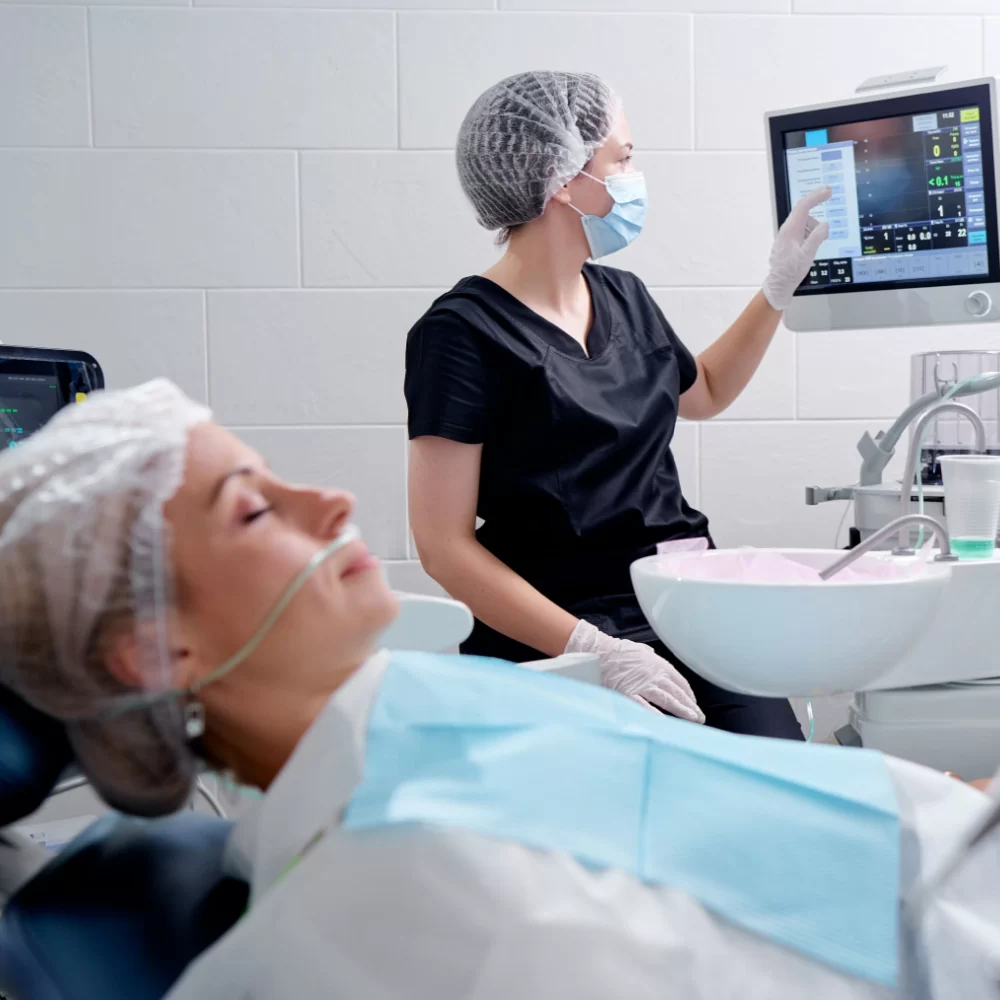
Understanding Sedation Dentistry
Sedation dentistry is more than just a trendy term in the dental world. It’s a comprehensive approach to patient care that aims to reduce anxiety and discomfort during dental procedures. But what exactly does it entail?
At its core, sedation dentistry involves the use of medication to help patients relax during dental treatments. This can range from mild sedatives that simply take the edge off to deeper forms of sedation that can make you feel drowsy or even fall asleep during the procedure.
The beauty of sedation dentistry lies in its versatility. It can be tailored to suit individual needs and preferences, making it an excellent option for a wide range of patients. Whether you have a mild case of dental anxiety or severe phobia, there’s likely a sedation option that can work for you.
It’s important to note that sedation dentistry is not the same as general anesthesia. While general anesthesia renders you completely unconscious, most forms of dental sedation allow you to remain awake and responsive, just in a more relaxed state. This makes it a safer and more manageable option for many dental procedures.
Types of Sedation Used in Dentistry
When it comes to sedation dentistry, one size doesn’t fit all. There are several types of sedation available, each with its own unique benefits and applications. Let’s explore the most common types used in dental practices today.
Nitrous Oxide: Also known as “laughing gas,” this is one of the mildest forms of sedation. It’s administered through a mask placed over your nose, and its effects wear off quickly once the mask is removed. Nitrous oxide helps you feel relaxed and slightly euphoric, making it ideal for patients with mild anxiety or those undergoing shorter procedures.
Oral Sedation: This involves taking a prescribed pill before your appointment. Depending on the dosage, oral sedation can range from minimal to moderate in strength. It’s a popular choice for patients with moderate anxiety or those undergoing longer procedures.
IV Sedation: Administered directly into the bloodstream, IV sedation allows for a deeper level of relaxation. It’s often used for more complex procedures or for patients with severe dental anxiety. With IV sedation, you’ll be in a sleep-like state but can still be awakened if necessary.
Each type of sedation has its own set of pros and cons, and the best choice depends on factors like the complexity of the procedure, your level of anxiety, and your overall health. Your dentist will work with you to determine the most appropriate option for your specific needs.
Who Can Benefit from Sedation Dentistry?
Sedation dentistry isn’t just for those with extreme dental phobias. In fact, a wide range of individuals can benefit from this approach to dental care. Let’s take a closer look at who might be an ideal candidate for sedation dentistry.
Anxious Patients: This is perhaps the most obvious group. If you feel nervous or anxious about dental visits, even for routine cleanings, sedation dentistry could help make your experiences more comfortable and stress-free.
Patients with Complex Dental Needs: If you require extensive dental work or multiple procedures, sedation can help make longer appointments more manageable. It allows dentists to complete more work in a single visit, potentially reducing the overall number of appointments needed.
Those with Sensitive Gag Reflexes: Some people have very sensitive gag reflexes that make dental work challenging. Sedation can help suppress this reflex, making procedures easier for both the patient and the dentist.
Individuals with Physical Limitations: For patients with conditions that make it difficult to sit still for long periods or those with involuntary movements, sedation can help ensure they receive the dental care they need comfortably and safely.
While sedation dentistry can be beneficial for many, it’s not suitable for everyone. Factors like overall health, medications, and the specific dental procedure needed all play a role in determining whether sedation is appropriate. Always consult with your dentist to determine if sedation dentistry is right for you.
The Process of Sedation Dentistry
Understanding the process of sedation dentistry can help alleviate any concerns you might have about this approach to dental care. Let’s walk through what you can typically expect when opting for sedation during a complex dental procedure.
Pre-Procedure Consultation: Before any sedation is administered, you’ll have a thorough consultation with your dentist. This is where you’ll discuss your medical history, any medications you’re taking, and your level of dental anxiety. Your dentist will use this information to determine the most appropriate type and level of sedation for you.
Preparation: Depending on the type of sedation chosen, you may need to take certain steps to prepare. For oral sedation, you might be prescribed a pill to take before your appointment. For IV sedation, you’ll likely be asked to fast for a certain period before the procedure.
Administration of Sedation: On the day of your procedure, the chosen form of sedation will be administered. This could involve breathing in nitrous oxide, taking an oral medication, or having an IV placed for intravenous sedation.
The Dental Procedure: Once you’re comfortably sedated, your dentist will begin the dental work. Throughout the procedure, your vital signs will be closely monitored to ensure your safety and comfort.
Recovery: After the procedure is complete, you’ll be given time to recover from the effects of the sedation. The recovery time varies depending on the type of sedation used. With nitrous oxide, you might be able to drive yourself home, while deeper forms of sedation may require someone to accompany you.
An Enhanced Dental Experience
Sedation dentistry offers a valuable solution for many individuals seeking to receive dental care without anxiety or discomfort. Whether you are someone with extreme dental phobia or simply want to ensure a more pleasant experience during complex procedures, sedation options are available to cater to your needs.
It’s important to collaborate closely with your dentist to discuss your concerns and preferences, which will help determine the best sedation approach for your situation. Remember, prioritizing your oral health is essential, and with sedation dentistry, you can achieve it safely and comfortably. Don’t hesitate to Shield Dental Care in Burke, VA to learn more about how sedation dentistry can make a positive impact on your dental visits.
Top Rated Dentist in Burke VA
At Shield Dental Care, we take pride in being a top-rated Dentist in Burke, VA. We are dedicated to enhancing your charming smile. Our philosophy revolves around your smile being a beautiful reflection of your persona, a unique signature that merits the finest attention.
Tour Our Burke Dental Office
Experience the best of dental technology and service at Shield Dental Care. Situated conveniently at 6505 Sydenstricker Rd B, Burke, VA 22015,