
Do you ever wake up with jaw pain, headaches, or worn-down teeth? You might be experiencing teeth grinding, also known as bruxism — a common but often overlooked condition that affects millions of people worldwide. While occasional teeth grinding might not cause harm, frequent or severe cases can lead to significant dental problems and discomfort.
For every option we offer in one place, see teeth grinding and clenching treatment in Burke, VA.
Fortunately, with the help of custom-fitted night guards, you can protect your teeth, alleviate pain, and prevent long-term damage. In this guide, we’ll explore the causes, symptoms, and treatments for teeth grinding, as well as why night guards are one of the best solutions available.
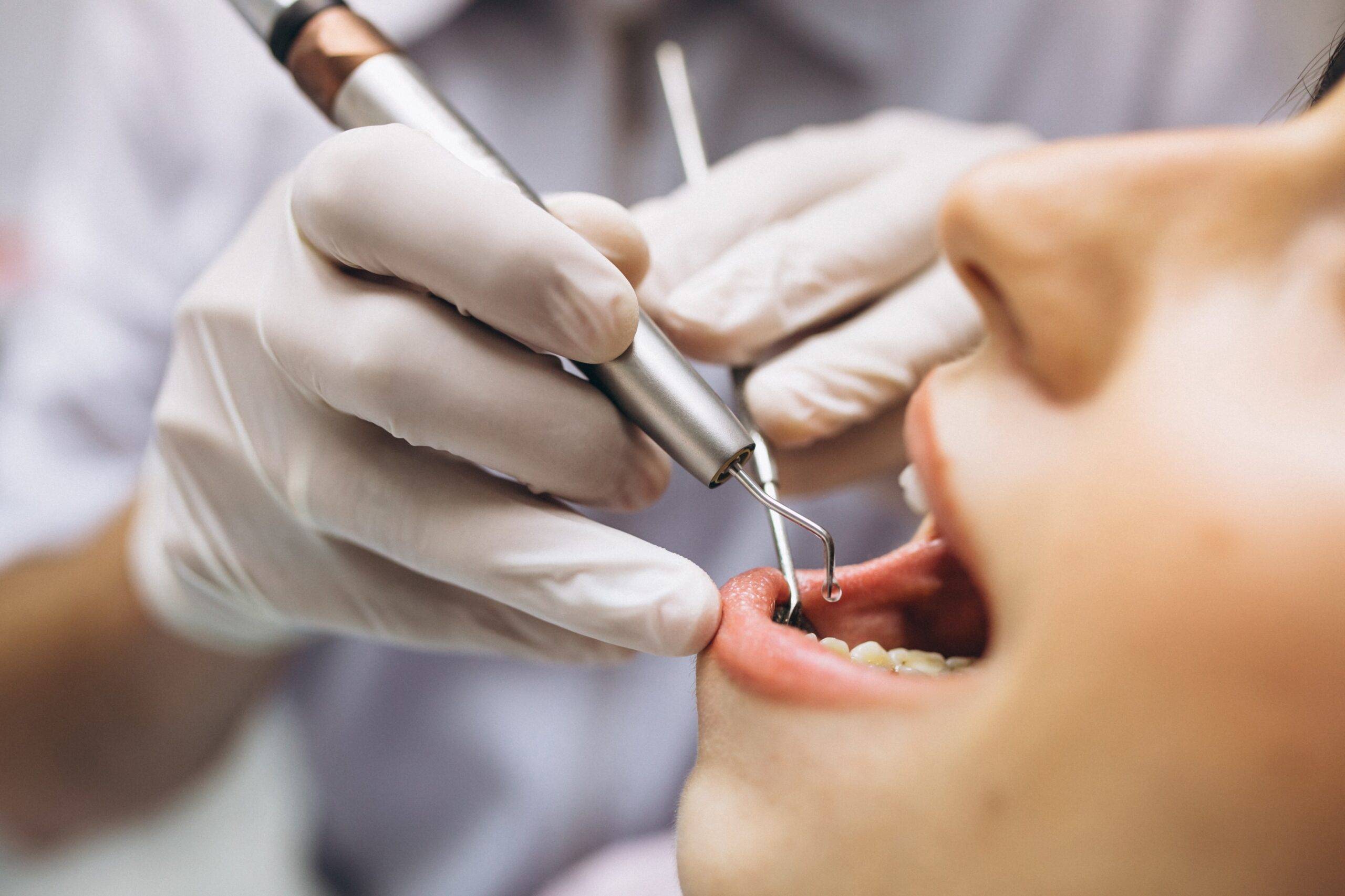
Understanding Teeth Grinding (Bruxism)
Teeth grinding, or bruxism, is an involuntary habit where individuals clench, grind, or gnash their teeth — often during sleep. Many people don’t realize they do it until symptoms appear or their dentist notices signs of wear during an exam.
Bruxism can occur at any age and may be triggered by a combination of physical, psychological, and genetic factors. Over time, teeth grinding can damage enamel, strain the jaw muscles, and cause chronic discomfort if left untreated.
👉 According to the American Dental Association, nighttime teeth grinding is one of the leading causes of tooth wear and jaw pain in adults.
Common Causes of Teeth Grinding
Understanding the root causes of teeth grinding is essential for effective prevention and treatment. The most common causes include:
1. Stress and Anxiety
Emotional stress is one of the top triggers for teeth grinding, especially during sleep. People under chronic stress may subconsciously clench their jaws as a physical response to tension.
2. Misaligned Teeth
When the upper and lower teeth don’t align properly (a condition known as malocclusion), it can lead to abnormal biting patterns that encourage grinding and clenching.
3. Sleep Disorders
Conditions such as sleep apnea or snoring can be associated with nighttime teeth grinding, as interruptions in breathing may trigger muscle activity in the jaw.
4. Lifestyle Factors
Caffeine, alcohol, tobacco, and certain medications (like antidepressants) can increase the likelihood of teeth grinding, especially in the evening.
5. Personality Traits
Individuals who are competitive, hyperactive, or perfectionistic tend to be more prone to bruxism.
Symptoms of Teeth Grinding
Because teeth grinding often occurs during sleep, you might not notice it until symptoms develop. Look out for these telltale signs:
- Worn-down, flattened, or chipped teeth
- Increased tooth sensitivity
- Jaw pain or tightness
- Headaches, especially upon waking
- Earaches or pain radiating to the temples
- Clicking or popping in the jaw joint (TMJ)
- Difficulty sleeping or a partner noticing grinding sounds at night
If these symptoms sound familiar, consult your dentist for an evaluation. Early intervention can prevent further complications.
The Role of Night Guards in Preventing Damage
Night guards — also known as occlusal splints or dental guards — are custom-fitted appliances worn over your teeth during sleep. Their primary purpose is to protect your teeth from the excessive pressure caused by grinding and clenching.
Here’s how they help:
1. Protect Against Tooth Damage
Night guards act as a protective barrier between the upper and lower teeth. This cushioning prevents the enamel from wearing down, reducing the risk of cracks, chips, and fractures.
2. Reduce Jaw Pain and Muscle Tension
By absorbing and distributing pressure, night guards minimize strain on your jaw muscles and joints. This helps relieve tension, reduce headaches, and prevent TMJ disorders.
3. Improve Sleep Quality
Frequent teeth grinding can interrupt your sleep and your partner’s rest. Night guards help reduce the grinding noise and make your sleep more restful and consistent.
4. Custom Comfort and Fit
Custom-made night guards are designed from impressions of your teeth, ensuring they fit snugly and comfortably. Unlike over-the-counter guards, professional ones provide better durability and protection.
👉 Learn more about bruxism management from the Cleveland Clinic’s guide on teeth grinding.
Types of Night Guards
There are several types of night guards available, each suited to different levels of teeth grinding severity:
- Soft Night Guards: Ideal for mild grinding; provide comfort but may wear out faster.
- Dual-Laminate Guards: Durable and cushioned, suitable for moderate grinding.
- Hard Acrylic Guards: Best for severe grinders; long-lasting and highly protective.
Your dentist will recommend the most appropriate option based on your condition and comfort preferences.
Additional Treatment Options for Teeth Grinding
While night guards are the most effective protective measure, your dentist may also recommend other treatments to address the underlying cause of teeth grinding:
- Stress Management: Relaxation techniques, meditation, or therapy can reduce stress-induced grinding.
- Orthodontic Treatment: Braces or aligners can correct misaligned teeth and improve bite balance.
- Medication Review: Your doctor may adjust prescriptions if they’re contributing to bruxism.
- Botox Injections: In severe cases, Botox can be used to temporarily relax overactive jaw muscles.
- Behavioral Therapy: Learning jaw relaxation techniques can help retrain muscles during the day.
Preventing Teeth Grinding
Prevention is always better than treatment. Here are practical steps to reduce teeth grinding and its effects:
- Avoid caffeine and alcohol before bedtime.
- Create a relaxing nighttime routine (warm baths, gentle stretching, meditation).
- Use a warm compress to relax jaw muscles.
- Maintain proper posture — poor neck and jaw alignment can worsen tension.
- Visit your dentist regularly for early detection of wear or cracks.
Simple lifestyle changes, combined with professional care, can make a big difference in controlling bruxism.
When to See a Dentist
If you experience persistent jaw pain, headaches, or worn teeth, it’s time to see a dentist. Early evaluation helps identify the cause and prevents irreversible damage. Your dentist can design a personalized treatment plan, which may include a custom night guard and other supportive therapies.
At Shield Dental Care, we specialize in diagnosing and treating teeth grinding with precision and care. Our custom night guards are designed to fit comfortably and provide maximum protection — helping you sleep soundly and wake up pain-free.
Final Thoughts: Protect Your Smile from Teeth Grinding
Teeth grinding may seem harmless at first, but its effects can be long-lasting if ignored. From enamel erosion to jaw pain and fractured teeth, the consequences can escalate quickly. The good news? With professional evaluation and a custom night guard, you can protect your teeth, improve your sleep, and maintain a healthy, pain-free smile for years to come.
If you suspect you’re grinding your teeth, don’t wait — schedule a consultation with Shield Dental Care today and take the first step toward a healthier, more relaxed smile.

Top Rated Dentist in Burke VA
At Shield Dental Care, we take pride in being a top-rated Dentist in Burke, VA. We are dedicated to enhancing your charming smile. Our philosophy revolves around your smile being a beautiful reflection of your persona, a unique signature that merits the finest attention.
Tour Our Burke Dental Office
Experience the best of dental technology and service at Shield Dental Care. Situated conveniently at 6505 Sydenstricker Rd B, Burke, VA 22015,