
For many people, dental visits can trigger intense anxiety or fear of pain — often causing them to delay or avoid treatment altogether. However, modern dentistry has evolved to make dental care comfortable, pain-free, and anxiety-free through sedation dentistry. Two of the most effective methods used today are general anesthesia and IV sedation dentistry.
Understanding the difference between general vs IV sedation dentistry can help you make an informed decision about which option best suits your needs. In this guide, we’ll explore general vs iv sedation dentistry including how each works, their safety levels, and when they’re recommended — especially for patients seeking expert care at Shield Dental Care in Burke, VA.
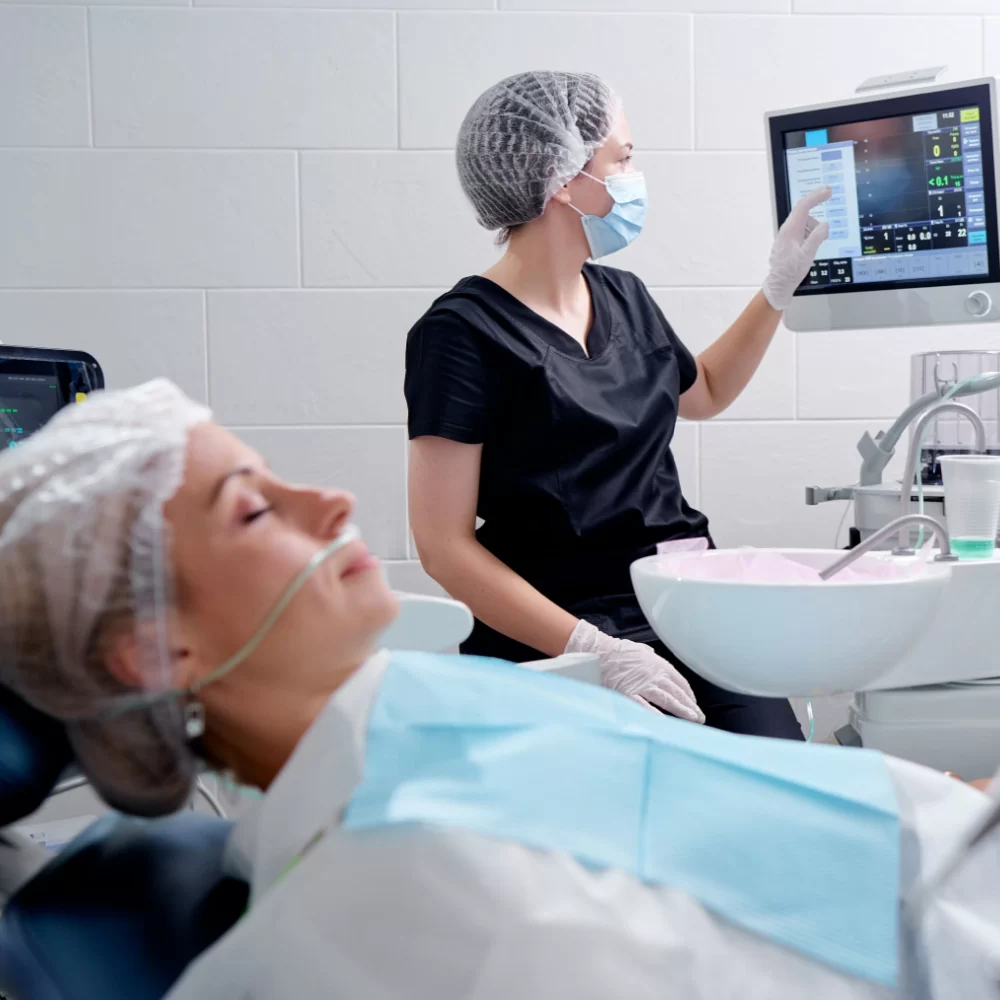
What Is IV Sedation Dentistry?
IV sedation dentistry (intravenous sedation) involves administering sedative medication directly into your bloodstream through a vein. This allows the medication to take effect almost immediately, helping you feel deeply relaxed during your dental treatment.
Unlike general anesthesia, IV sedation does not render you completely unconscious. You remain in a semi-conscious, calm state where you can still respond to verbal cues, but you likely won’t remember much of the procedure afterward.
Levels of IV Sedation
- Minimal Sedation: You’re relaxed but fully awake and responsive.
- Moderate Sedation: You may feel drowsy and less aware but can still respond to instructions.
- Deep Sedation: You’re on the edge of consciousness, typically with little to no recollection of the procedure afterward.
Because IV sedation can be precisely adjusted during treatment, it’s one of the most controlled and predictable forms of sedation dentistry available.
👉 Learn more about general vs iv sedation dentistry from the American Dental Association (ADA).
Benefits of IV Sedation Dentistry
Here are some reasons why IV sedation is an excellent option for many dental patients:
1. Fast-Acting Relief
Because the sedative is delivered directly into your bloodstream, the effects occur within minutes — reducing procedure time and minimizing anxiety quickly.
2. Adjustable Sedation Levels
Your dentist can easily control the dosage during the procedure, ensuring a customized level of comfort based on your treatment needs.
3. Faster Recovery
Compared to general anesthesia, recovery from IV sedation is typically much quicker. Most patients feel alert within an hour or two after their procedure.
4. Reduced Anxiety and Gag Reflex
IV sedation effectively calms nerves and minimizes the gag reflex, making it ideal for patients with strong anxiety or sensitivity.
5. No Breathing Tube Needed
Unlike general anesthesia, IV sedation doesn’t require an endotracheal tube — meaning no airway support equipment is necessary, making it a simpler and safer option for most patients.
6. Safe for Longer Procedures
IV sedation is often used for procedures like wisdom tooth extraction, dental implant placement, or deep cleanings, where patients benefit from extended comfort.
Overall, IV sedation offers a balance between relaxation and responsiveness, providing maximum comfort without the risks of complete unconsciousness.
What Is General Anesthesia in Dentistry?
General anesthesia is the deepest form of dental sedation. It typically combines inhaled gases and intravenous medications to induce a state of complete unconsciousness. Under general anesthesia, you are entirely unaware of your surroundings and do not respond to any stimulation or pain.
This level of sedation is primarily used in hospitals or specialized surgical environments, as it requires advanced monitoring and life-support equipment to ensure patient safety.
During general anesthesia, both the cardiovascular and respiratory systems are depressed, which means breathing assistance may be required. Because of this, it’s generally not used for standard dental procedures unless medically necessary.
General vs IV Sedation Dentistry: Key Differences
Let’s break down the major distinctions of general vs iv sedation dentistry:
In short, IV sedation provides deep relaxation and amnesia without full unconsciousness, making it safer and more practical for most dental patients. General anesthesia, on the other hand, is reserved for complex or extensive surgeries and patients with specific needs.
| Factor | IV Sedation | General Anesthesia |
|---|---|---|
| Level of consciousness | Deeply relaxed but able to respond | Fully unconscious |
| How it is given | Through an IV line, adjusted during treatment | Administered and monitored by an anesthesia provider |
| Onset | Takes effect within minutes | Rapid, with full monitoring in place |
| Breathing | You breathe on your own | May require airway support |
| Adjustability | Depth can be adjusted during the procedure | Not adjusted in the same way mid-procedure |
| Recovery | Generally quicker, with grogginess for the rest of the day | Longer, with a more involved monitored recovery |
| Commonly used for | Dental anxiety, strong gag reflex, longer treatment | Complex surgical cases or specific medical needs |
| Escort home required | Yes | Yes |
When Is General Anesthesia Necessary?
While general anesthesia is rarely used in typical dental settings, it may be required in certain situations:
- Severe dental phobia or anxiety that doesn’t respond to lighter sedation.
- Extensive oral or maxillofacial surgery, such as jaw reconstruction.
- Patients with disabilities or behavioral conditions that prevent cooperation.
- Young children who can’t remain still for treatment.
- Patients with medication tolerance where IV sedation is ineffective.
Because general anesthesia carries higher risks, it’s always administered by a board-certified anesthesiologist in a controlled medical environment.
👉 For an overview of anesthesia safety, visit the Cleveland Clinic’s guide.
Is IV Sedation Safer Than General Anesthesia?
Generally, IV sedation is considered safer for most dental patients because it allows for faster recovery, minimal side effects, and real-time dosage control. It’s especially beneficial for those with moderate dental anxiety or undergoing lengthy procedures.
However, your dentist will always review your medical history, medications, and overall health before recommending the best sedation option. At Shield Dental Care, patient safety and comfort come first, and we ensure that every sedation plan is tailored to your individual needs. We will discuss your options between general vs iv sedation dentistry.
General vs IV Sedation Dentistry in Burke, VA — Shield Dental Care
If you’re anxious about dental visits or need extensive dental work, you deserve a practice that understands your concerns and provides compassionate care. At Shield Dental Care in Burke, VA, we specialize in both IV sedation and general sedation dentistry to make every appointment calm and comfortable.
Led by Dr. Ghorbani, our skilled team and certified anesthesiologist use advanced techniques and state-of-the-art monitoring for your safety. Whether you need mild relaxation or deep sedation, we’ll ensure your treatment is stress-free from start to finish.
Why Patients Choose Shield Dental Care:
- Comprehensive sedation options (IV, nitrous oxide, oral, and general anesthesia)
- Safe, modern facility with advanced monitoring equipment
- Personalized sedation plans for every patient
- Gentle, experienced dental professionals who put your comfort first
If you’re ready to conquer your dental fears and experience pain-free dentistry, call Shield Dental Care today at 703-250-5072 or email info@shielddentalcare.com to schedule your consultation. We hope you learned the differences between general vs iv sedation dentistry in this blog.
Top Rated Dentist in Burke VA
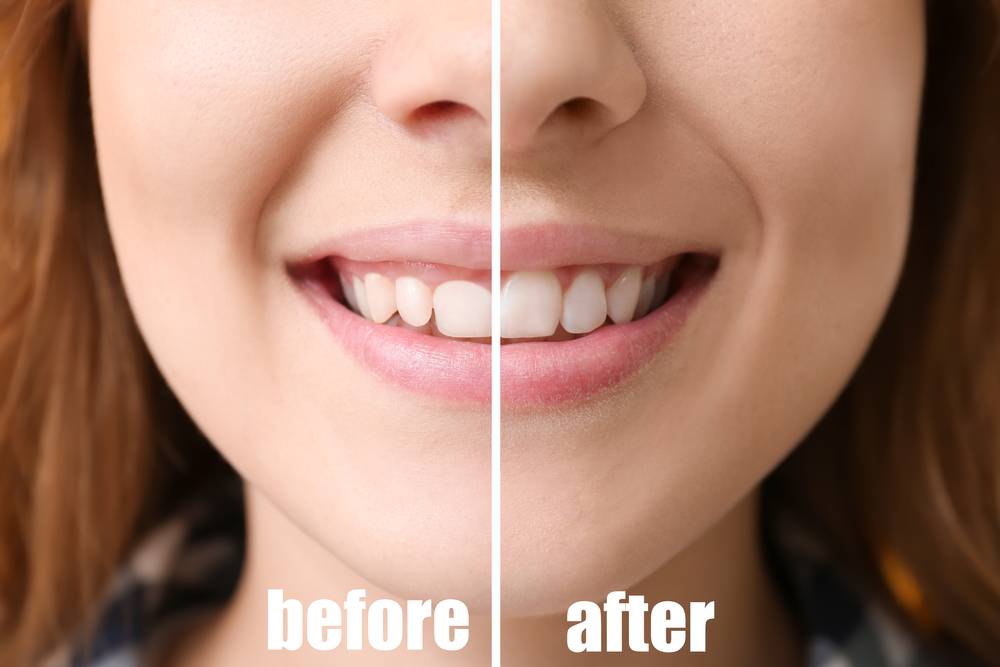
At Shield Dental Care, we take pride in being a top-rated Dentist in Burke, VA. We are dedicated to enhancing your charming smile. Our philosophy revolves around your smile being a beautiful reflection of your persona, a unique signature that merits the finest attention.
Tour Our Burke Dental Office
Experience the best of dental technology and service at Shield Dental Care. Situated conveniently at 6505 Sydenstricker Rd B, Burke, VA 22015,