
Dental veneers are one of the most transformative cosmetic dentistry procedures available today, giving you the ability to achieve a flawless, confident smile. But one of the most common questions patients have is about the cost of dental veneers — how much they actually cost, what factors affect pricing, and whether insurance or financing options can make them more affordable.
In this comprehensive guide, we’ll break down everything you need to know about the cost of dental veneers, including the average price range, what influences costs, and smart ways to budget for your new smile.
Understanding the Cost of Dental Veneers
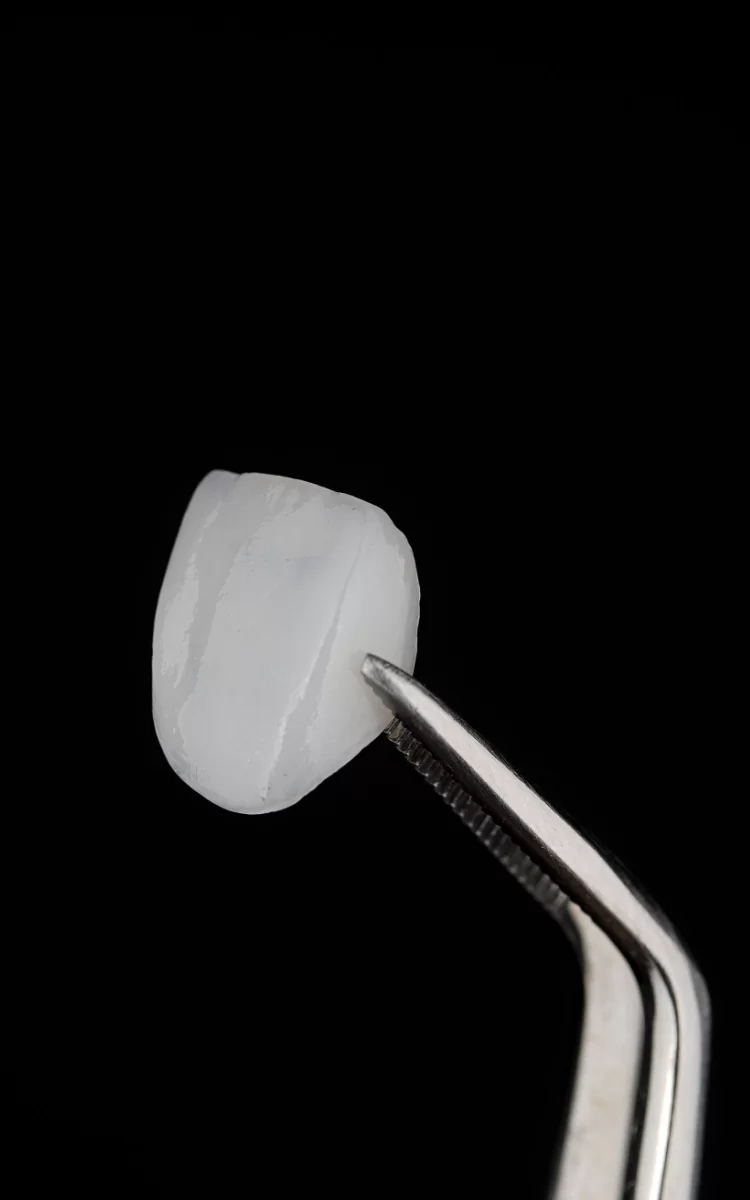
Dental veneers are thin, custom-made shells — usually crafted from porcelain or composite resin — that fit over the front surface of your teeth. They are used to correct imperfections such as discoloration, chips, cracks, or small gaps, creating a uniform and attractive smile.
When considering the cost of dental veneers, it’s important to understand that pricing varies depending on several factors, including the materials used, your dentist’s experience, and your specific dental goals.
Average Cost of Dental Veneers
The cost of dental veneers can range widely based on where you live and the type of veneers you choose. On average, you can expect to pay:
- Porcelain veneers: $1,000 to $2,500 per tooth
- Composite veneers: $800 to $1,500 per tooth
Porcelain veneers are generally more expensive because they are custom-fabricated in a dental lab, highly durable, and resist staining better than composite veneers. Composite veneers, on the other hand, can often be applied in a single visit but may require touch-ups over time.
For more detailed national cost comparisons, refer to the American Dental Association’s guide on cosmetic dentistry.
Factors That Influence the Cost of Dental Veneers
The total cost of dental veneers depends on multiple variables beyond just the number of veneers you need. Here are key considerations:
1. Material Choice
- Porcelain veneers offer superior aesthetics and longevity but come at a higher price point.
- Composite veneers are more affordable upfront but may not last as long or resist stains as effectively.
2. Dentist’s Expertise
Highly skilled cosmetic dentists may charge more, but their experience ensures precision, comfort, and natural-looking results — making them well worth the investment.
3. Geographic Location
Urban dental practices or those in areas with higher living costs often have slightly higher pricing than rural or suburban clinics.
4. Number of Veneers Needed
Some patients only need one or two veneers to fix minor imperfections, while others may choose a full set (commonly 6–10 veneers) for a complete smile makeover. Naturally, the more veneers you get, the higher the total cost.
5. Preparatory Treatments
If you need additional procedures like teeth whitening, orthodontic adjustments, or gum contouring before veneer placement, these will increase the overall treatment cost.
6. Follow-Up Visits and Adjustments
After placement, minor adjustments or maintenance visits may be needed to perfect your bite and ensure long-term comfort.
Additional Expenses to Consider
Beyond the veneers themselves, there are a few extra costs to keep in mind when budgeting for your new smile:
- Consultation fees — Your initial evaluation and smile design planning.
- X-rays or digital imaging — Used to assess your teeth and plan the veneer placement.
- Post-treatment care — Follow-up visits to ensure proper fit and longevity.
Being aware of these expenses helps you plan more accurately and avoid financial surprises.
Insurance and the Cost of Dental Veneers
Because veneers are considered a cosmetic dental treatment, most insurance plans do not cover them. Insurance companies typically classify veneers as elective procedures — designed for aesthetic improvement rather than medical necessity.
However, there are exceptions. If veneers serve a restorative purpose — for example, replacing damaged enamel or restoring a broken tooth — your insurance provider may reimburse part of the cost. Always check your policy details and consult with your dental office’s insurance coordinator to explore potential coverage options.
👉 You can also learn more about cosmetic dental coverage from Healthline’s guide to dental insurance and veneers.
Financing Options to Manage the Cost of Dental Veneers
Even if insurance doesn’t cover veneers, there are several ways to make the cost of dental veneers more manageable. Many dental offices offer flexible financing options, allowing you to invest in your smile without financial strain.
1. Dental Payment Plans
Most practices offer in-house payment plans that let you divide the total cost into affordable monthly installments.
2. Health Care Credit Cards
Companies like CareCredit provide specialized credit options for medical and dental procedures, often featuring promotional interest-free periods.
3. Personal Savings
If you plan ahead, setting aside savings over time can help you pay for veneers upfront — often with a discount for full payment.
4. Flexible Spending Accounts (FSA) or Health Savings Accounts (HSA)
In some cases, you may be able to use FSA or HSA funds to offset costs if the procedure has a restorative component.
Long-Term Value: Why the Cost of Dental Veneers Is Worth It
While the cost of dental veneers can seem high initially, it’s essential to view it as a long-term investment in your appearance, confidence, and oral health.
Porcelain veneers can last 10 to 15 years or more with proper care, offering incredible durability and maintaining their color and shape far longer than most other cosmetic treatments. They also help protect the natural tooth structure underneath, minimizing future dental work.
A beautiful, confident smile can enhance not only your self-esteem but also your personal and professional interactions — benefits that are difficult to put a price on.
Tips to Extend the Life of Your Veneers
To protect your investment and keep your veneers looking their best:
- Brush twice daily with non-abrasive toothpaste.
- Floss regularly to maintain gum health.
- Avoid biting hard foods, ice, or pens.
- Limit staining drinks like coffee, tea, and red wine.
- Schedule routine check-ups every six months.
With proper care, your veneers will continue to look radiant for years to come.
Final Thoughts: Balancing Cost and Confidence
The cost of dental veneers can vary, but the results are priceless. Whether you choose porcelain or composite veneers, the key is to find a skilled cosmetic dentist who can customize your treatment for natural, long-lasting results.
At Shield Dental Care, we specialize in creating stunning, confident smiles through personalized veneer treatments and flexible payment options to fit your budget. Schedule a consultation today to learn more about your veneer options — and take the first step toward the smile you’ve always dreamed of.

Top Rated Dentist in Burke VA
At Shield Dental Care, we take pride in being a top-rated Dentist in Burke, VA. We are dedicated to enhancing your charming smile. Our philosophy revolves around your smile being a beautiful reflection of your persona, a unique signature that merits the finest attention.
Tour Our Burke Dental Office
Experience the best of dental technology and service at Shield Dental Care. Situated conveniently at 6505 Sydenstricker Rd B, Burke, VA 22015,