
Botox at the dentist surprises some people. It makes more sense once you look at what dentists do every day, and at what Virginia now requires of a dentist who offers it. It is also fair to say where the choice of provider matters less than the questions you ask.
The face and jaw are a dentist’s working area
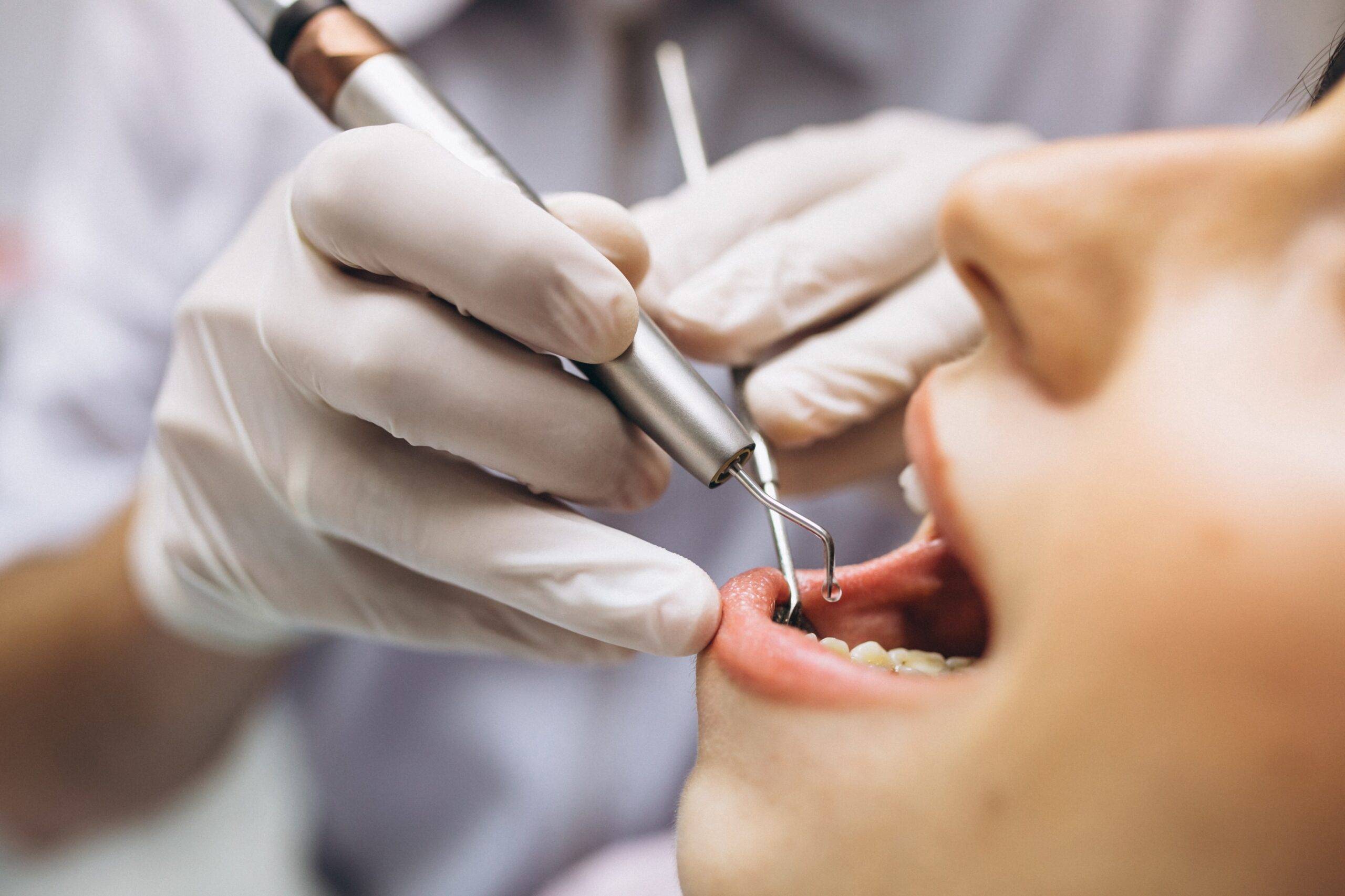
Dentists work in the muscles, nerves and anatomy of the face and jaw every day, and giving precise injections in that area is a routine part of dental care. The muscles that clench the jaw, and the problems they cause, from worn teeth to morning headaches, are things dentists see and treat as a matter of course.
What Virginia law requires
Since 2023, Virginia law has allowed dentists to give botulinum toxin for cosmetic purposes once they complete training required by the Virginia Board of Dentistry. The Board’s regulation, in effect since May 2026, sets that training at 12 hours, including at least four hours of hands-on clinical training on at least two live patients. The required content includes informed consent, which covers explaining off-label use.
That last point is worth knowing whoever treats you. Each product is FDA-approved only for specific areas. Using it elsewhere, including in the jaw muscles for grinding, is off-label. That is legal and common, but you should be told.
Where it connects with the rest of your care
The practical advantage is joined-up care. Clenching and grinding wear teeth, crack restorations and overload the jaw, and when Botox is considered for those problems, it helps to have it assessed by the dentist who already knows your bite, your restorations and your history. It lets us weigh Botox for clenching against, or alongside, a night guard or other grinding treatments, rather than in isolation.
It also matters before cosmetic dental work. Heavy clenching shortens the life of veneers and crowns, so it is useful to know about it at the planning stage, not after something breaks.
What a dentist is not
To be fair about it: dermatologists and plastic surgeons also give cosmetic botulinum toxin, and they may offer a wider range of skin and cosmetic treatments than a dental office. If you want several different facial treatments in one place, that may point you elsewhere. Our view is simply that for the areas we treat, a trained dentist is a reasonable choice, and for jaw muscle problems, a natural one.
Questions to ask any provider
In 2024, the FDA warned that counterfeit Botox had been found in several states and injected for cosmetic purposes, with some patients hospitalized. Its advice to consumers was to confirm the product comes from an authorized source, and to ask whether the person injecting is licensed and trained to do it. Beyond those two, it is reasonable to ask:
- Which product will you use, and is it FDA-approved for this area, or off-label?
- How many units do you expect to use, and what will the treatment cost in total?
- Is there a follow-up visit, and how are adjustments handled?
- Who do I contact if I have a side effect, including after hours?
A good provider answers those without hesitation, and will also tell you when Botox is not the right tool. We are glad to answer them at a consultation. Our Botox overview explains what we offer, and what to expect at a first appointment walks through the visit. Dr. Ghorbani provides treatment at our Burke office.
Frequently Asked Questions
Frequently Asked Questions
Frequently Asked Questions
Frequently Asked Questions
Can a dentist legally give Botox in Virginia?+
Yes. Since 2023, Virginia law has allowed dentists to give botulinum toxin for cosmetic purposes once they complete the training required by the Board of Dentistry. The regulation sets that at 12 hours, including hands-on training with live patients.
Is Botox from a dentist the same product?+
Yes. We use the same FDA-approved products used elsewhere: BOTOX Cosmetic, Dysport and Daxxify. Always confirm that any provider’s product comes from an authorized source.
Why would I have Botox for grinding at the dentist?+
Because the decision depends on your teeth, bite and jaw, which your dentist already examines. It lets us weigh Botox alongside a night guard and other grinding treatments rather than on its own.
Cavities develop gradually, not overnight. Bacteria in your mouth feed on sugars and starches, producing acids that pull minerals from your enamel. Saliva repairs some damage, but frequent acid attacks overwhelm it, and plaque lets bacteria attack the tooth directly. Left unchecked, decay progresses from the enamel into the dentin, pulp, and eventually an abscess. Good hygiene, diet, and regular dental visits keep cavities preventable.