
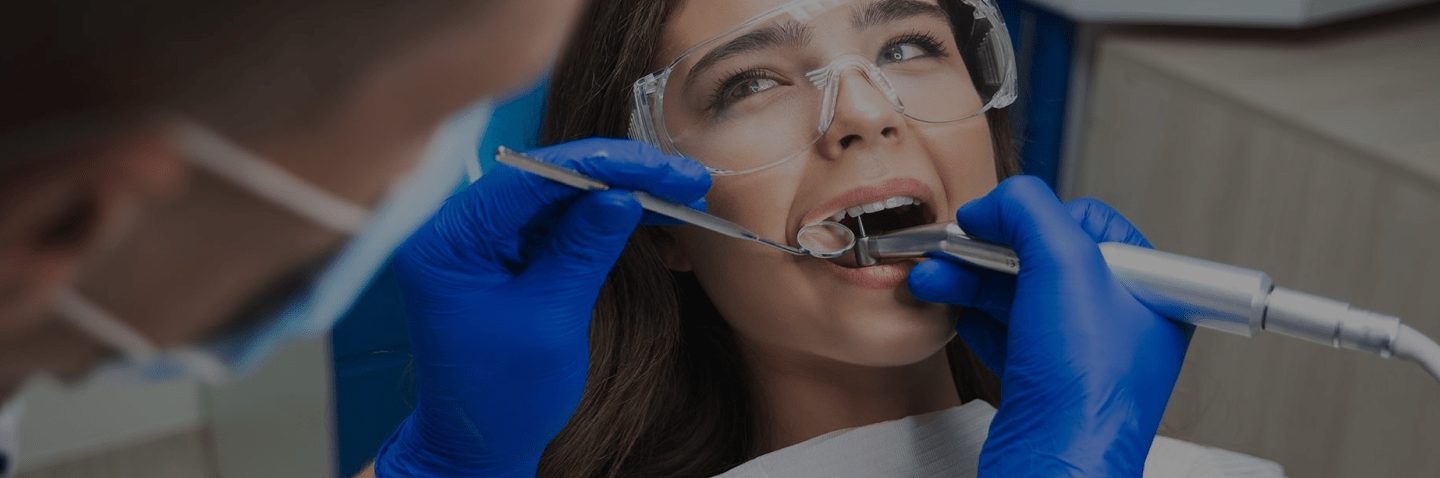
Few treatments have a worse reputation than a root canal, and almost none of it is earned. The procedure is not what causes the pain — it is what stops it. What follows is what actually happens, stage by stage.
Why a tooth needs one
Inside every tooth is a soft core of nerve and blood vessels called the pulp. When decay reaches it, or a crack lets bacteria in, the pulp becomes infected. Because it is sealed inside a hard tooth, that infection has nowhere to drain, which is why the pain can be so severe and why it does not resolve on its own.
Root canal treatment removes the infected pulp, disinfects the space it occupied, and seals it. The tooth stays. The alternative, once the pulp is infected, is removing the tooth.
Before the appointment
An x-ray shows the shape and number of the root canals in that particular tooth, which varies — a front tooth usually has one, a molar often has three or four. That image is what tells the dentist how long the appointment will take.
If anxiety is the obstacle rather than the tooth, say so at this point. Sedation is available and is commonly used for root canal treatment.
The procedure itself
The area is numbed with local anaesthetic first, and this is the part patients most often misunderstand: the tooth is fully numb before anything begins. A small sheet called a dental dam is placed to isolate the tooth and keep it dry.
A small opening is made through the top of the tooth to reach the pulp chamber. The infected pulp is removed, and the canals are cleaned along their length and shaped so they can be filled completely. The space is then disinfected — this is the step that actually resolves the infection.
The canals are filled with a rubber-like material that seals them against bacteria, and the opening is closed with a temporary or permanent filling. Depending on the tooth and the degree of infection, this happens in one visit or two.
The crown afterwards
A tooth that has had a root canal is more brittle than it was, because the structure removed to reach the pulp cannot be put back. Back teeth in particular usually need a crown afterwards to take the biting load.
This matters for planning: the root canal is not the last appointment. Leaving a treated back tooth without a crown risks fracturing it, which can undo the whole point of saving it.
Recovery
Most people return to normal activity the same day. The tooth is commonly tender to bite on for a few days while the tissue around the root settles, and over-the-counter pain relief is usually enough.
Chew on the other side until any temporary filling is replaced. Contact us if pain increases rather than decreases after the first few days, if swelling appears, or if a temporary filling comes out.
Frequently Asked Questions
Frequently Asked Questions
Frequently Asked Questions
Frequently Asked Questions
Is a root canal painful?+
The tooth is numbed with local anaesthetic before treatment begins, so the procedure itself should not hurt. Most of the pain people associate with root canals is the pain of the infected tooth beforehand, which the treatment is what relieves.
How long does a root canal take?+
It depends on the tooth. A front tooth with a single canal is quicker than a molar with three or four. Some teeth are completed in one visit and others need two, which the x-ray taken beforehand will usually indicate.
Do I need a crown after a root canal?+
Usually, particularly for back teeth. Reaching the pulp means removing tooth structure that cannot be replaced, leaving the tooth more brittle. A crown takes the biting load and protects it from fracturing.
What happens if I do not have the root canal done?+
An infected pulp does not heal on its own. Left alone, the infection can spread into the bone around the root and form an abscess, and the tooth will usually need removing. Treating it early is what keeps the tooth.
Cavities develop gradually, not overnight. Bacteria in your mouth feed on sugars and starches, producing acids that pull minerals from your enamel. Saliva repairs some damage, but frequent acid attacks overwhelm it, and plaque lets bacteria attack the tooth directly. Left unchecked, decay progresses from the enamel into the dentin, pulp, and eventually an abscess. Good hygiene, diet, and regular dental visits keep cavities preventable.