
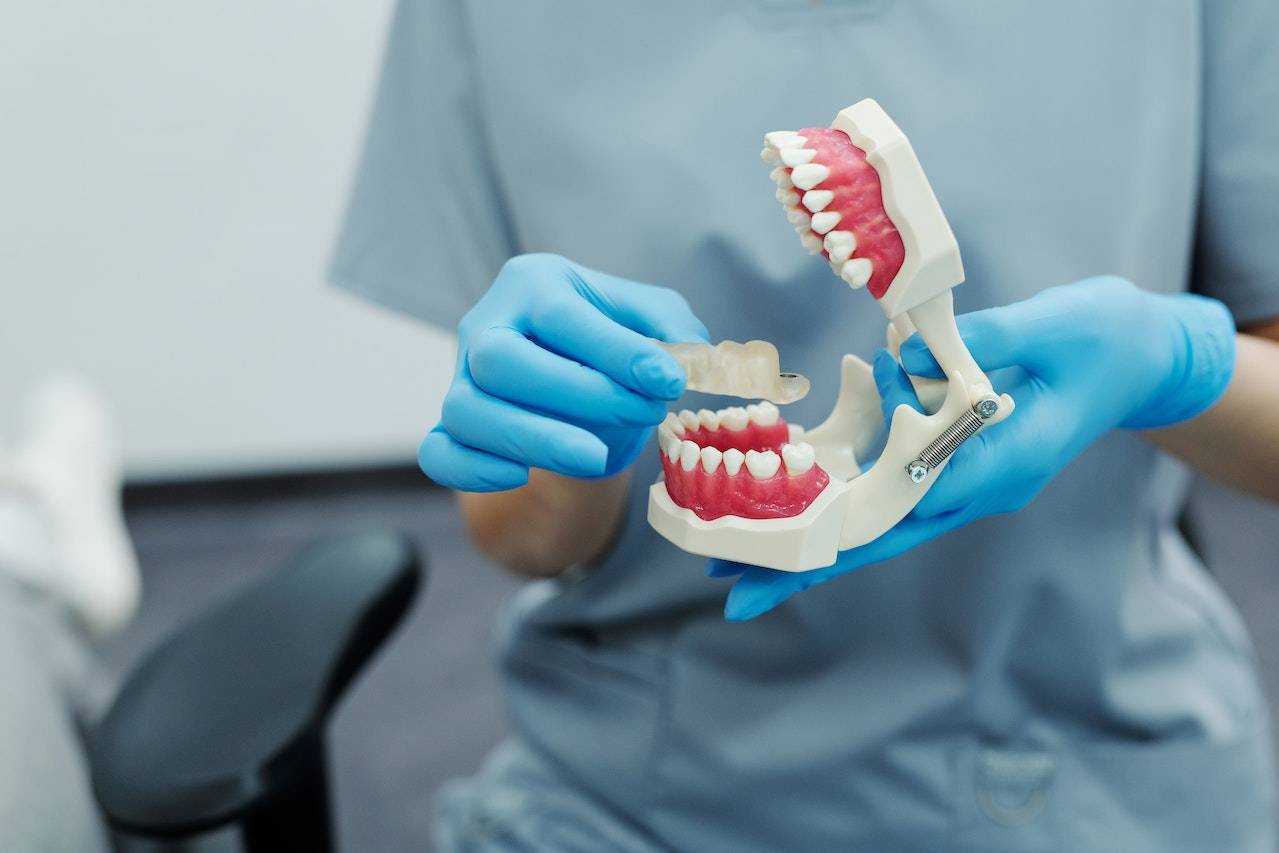
Both move teeth by applying gentle, sustained pressure over months. The difference is how that pressure is delivered, and that difference decides which suits your case — and your life.
Fixed braces
Brackets bonded to the teeth and connected by a wire. Because they are fixed, they work continuously whether or not you are thinking about them, and they can achieve movements that are difficult by other means — rotating a tooth, closing a large gap, or correcting a significant bite discrepancy.
The trade-offs are visibility, more effort to clean around, and a list of foods to avoid.
Clear aligners
A sequence of removable transparent trays, each moving the teeth slightly further than the last. They are far less visible, they come out for eating and cleaning, and for mild to moderate cases they work well.
The catch is in that word removable. Aligners only work while they are being worn, which in practice means most of the day and night. Treatment that stalls with aligners has usually stalled because they were not in.
Which cases suit which
Mild crowding, mild spacing and relapse after previous orthodontic work are typical aligner territory. Severe crowding, significant bite correction and complex rotations are usually better with fixed braces. Plenty of cases sit in the middle and could go either way, and that is where preference reasonably decides it.
The shortcut that is not orthodontics
For mildly crooked front teeth, veneers can produce a straight-looking result in weeks rather than months. It is worth being clear about the difference: orthodontics moves your teeth, while veneers permanently reshape their surface. For a larger problem, veneers are a shortcut that does not hold up.
Afterwards
Retainers are not optional with either. Teeth have a long memory and will drift back toward their original positions without something holding them. Any plan that does not mention retention is incomplete.
Frequently Asked Questions
Frequently Asked Questions
Frequently Asked Questions
Frequently Asked Questions
Are clear aligners as effective as braces?+
For mild to moderate cases, yes. For severe crowding, significant bite correction or complex rotations, fixed braces remain more predictable. Which is right depends on the specific movements your case needs.
How long do I have to wear aligners each day?+
Most of the day and night — they work only while they are in. Treatment that falls behind schedule with aligners has usually fallen behind because wear time slipped.
Will I need a retainer afterwards?+
Yes, with either treatment. Teeth tend to drift back toward where they started, and retention is what prevents that. Any orthodontic plan should include what happens after the teeth have moved.
Cavities develop gradually, not overnight. Bacteria in your mouth feed on sugars and starches, producing acids that pull minerals from your enamel. Saliva repairs some damage, but frequent acid attacks overwhelm it, and plaque lets bacteria attack the tooth directly. Left unchecked, decay progresses from the enamel into the dentin, pulp, and eventually an abscess. Good hygiene, diet, and regular dental visits keep cavities preventable.