
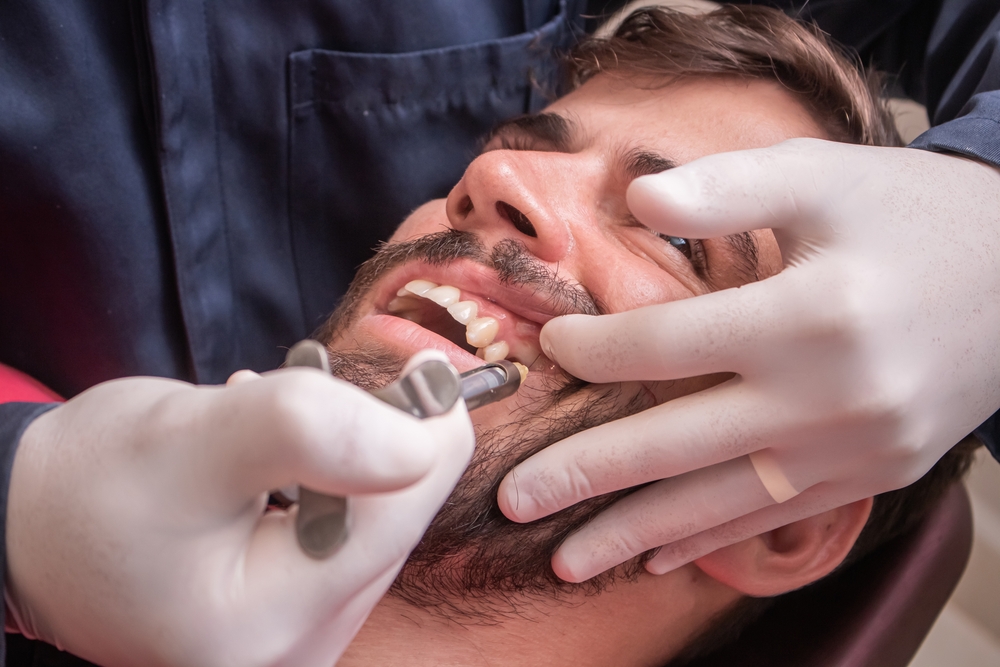
- Why Sedation Makes Sense for Extractions
- Matching Sedation Level to Your Extraction
- What to Expect During a Sedated Extraction
- Recovery Tips After Sedated Extractions
- Cost Considerations
Tooth extractions—especially wisdom tooth removal—are among the most common reasons patients seek sedation dentistry. The combination of surgical anxiety, the sound of instruments, and the anticipation of discomfort makes sedation a natural choice for many patients.
At Shield Dental Care in Burke, VA, Dr. Ghorbani offers multiple sedation levels so your extraction is as comfortable as your comfort requires.
Why Sedation Makes Sense for Extractions
Even with excellent local anesthesia (which eliminates pain), extractions can still be stressful. Here’s why sedation helps:
- Pressure and movement sensations — You won’t feel pain, but you may feel pressure. Sedation reduces your awareness of these sensations.
- Sound sensitivity — Extraction instruments create sounds that many patients find distressing. Sedation diminishes your awareness of them.
- Anxiety about the unknown — If you’ve never had a tooth pulled, the anticipation alone can be overwhelming.
- Multiple extractions — Removing more than one tooth (especially wisdom teeth) means a longer appointment. Sedation makes extended chair time manageable.
- Impacted wisdom teeth — Surgical extractions involving impacted teeth are more complex and benefit significantly from deeper sedation.
Matching Sedation Level to Your Extraction
Not all extractions are the same, and your sedation should match the complexity of your procedure:
Simple Extraction (1 Tooth, Non-Surgical)
Recommended: Nitrous oxide + local anesthetic
A simple extraction—removing a visible, non-impacted tooth—is usually quick (15–30 minutes). Nitrous oxide provides enough relaxation for most patients without extended recovery. You’ll drive yourself home.
Multiple Extractions (2–4 Teeth)
Recommended: Oral sedation + local anesthetic
When multiple teeth need to come out in one visit, the appointment is longer and more involved. Oral sedation keeps you deeply relaxed throughout, and you’ll remember little afterward. A driver is required.
→ Compare oral sedation and nitrous oxide
Wisdom Tooth Removal (Surgical)
Recommended: IV sedation + local anesthetic
Wisdom tooth surgery—especially when teeth are impacted (stuck below the gumline or against adjacent teeth)—is the most common extraction scenario for IV sedation. The procedure involves incisions, bone removal, and sometimes sectioning the tooth into pieces for removal.
IV sedation places you in a twilight state where you’re unaware of the procedure. Most wisdom tooth patients tell us they remember nothing between “counting backward” and “waking up.”
Emergency Extraction
Recommended: Varies based on urgency and patient anxiety
If you’re dealing with a dental emergency—a severely infected tooth, a fracture, or uncontrollable pain—the extraction may need to happen quickly. Dr. Ghorbani will assess the safest sedation option given the urgency and your medical history.
What to Expect During a Sedated Extraction
Before: You’ll arrive at Shield Dental Care having followed your preparation instructions. For oral sedation, you’ll already feel drowsy. For IV sedation, the IV line is placed and sedation begins once you’re comfortably reclined.
During: Depending on your sedation level: – Nitrous: You’ll know the extraction is happening but feel calm and detached – Oral: You’ll be deeply relaxed and may drift in and out of light sleep – IV: You’ll likely be unaware of the procedure entirely
In all cases, local anesthetic ensures zero pain. Sedation handles the anxiety and awareness.
After: – Gauze is placed over the extraction site – You receive detailed aftercare instructions (written, because you may not remember verbal ones after sedation) – For oral/IV sedation, your driver takes you home – Plan to rest for the remainder of the day
Recovery Tips After Sedated Extractions
- Keep gauze in place for 30–45 minutes to control bleeding
- Apply ice packs (20 minutes on, 20 minutes off) for the first 24 hours
- Eat soft foods for 3–5 days (yogurt, soup, mashed potatoes, smoothies—avoid straws)
- Don’t rinse vigorously for 24 hours (protect the clot)
- Take prescribed medications as directed (pain management + antibiotics if prescribed)
- Rest and hydrate — your body heals faster when you’re not pushing through a normal schedule
Cost Considerations
Extraction costs and sedation costs are typically separate:
Many insurance plans cover extractions and may cover sedation when medically necessary. Our team helps you understand your coverage before scheduling.
→ Full cost breakdown: How Much Does Dental Sedation Cost?
Don’t Let Fear Delay a Necessary Extraction
Putting off an extraction rarely makes things better—and often makes them worse. Infections spread, pain increases, and adjacent teeth can be damaged. With sedation dentistry, the procedure you’ve been dreading can be over before you know it—literally.
Schedule your extraction consultation at Shield Dental Care →
Shield Dental Care provides sedation options for all types of tooth extractions in Burke, VA. -e
Top Rated Dentist in Burke VA
At Shield Dental Care, we take pride in being a top-rated Dentist in Burke, VA. We are dedicated to enhancing your charming smile. Our philosophy revolves around your smile being a beautiful reflection of your persona, a unique signature that merits the finest attention.
Tour Our Burke Dental Office
Experience the best of dental technology and service at Shield Dental Care. Situated conveniently at 6505 Sydenstricker Rd B, Burke, VA 22015,
Related Blogs
- What to Expect at Your Cosmetic Dentistry Consultation
- 5 Signs You Should See a Cosmetic Dentist
- How Much Does a Smile Makeover Cost? A Complete Guide
Local anesthetic eliminates pain during an extraction, while sedation handles the anxiety, pressure sensations, and awareness. The right level matches the procedure's complexity: nitrous oxide suits a simple single extraction and lets you drive home, oral sedation fits multiple extractions, and IV sedation is typical for surgical or impacted wisdom teeth, leaving you unaware of the procedure. Both oral and IV sedation require a driver. Delaying a needed extraction usually worsens infection and pain.