
- The Truth About Dental Implant Surgery and Pain
- During the Procedure: Ensuring Your Absolute Comfort
- The Immediate Aftermath: The First 24 to 48 Hours
- The First Week of Recovery: A Day-by-Day Timeline
- Long-Term Healing: The Osseointegration Phase
The thought of sitting in a dental chair for a surgical procedure can make anyone feel a little nervous. If you are missing a tooth and considering your options, you have likely read that implants offer a permanent, natural-feeling solution. But then your mind wanders to the surgery itself. Drilling into the jawbone sounds intense, and a simple question naturally arises: is dental implant surgery painful?
This is the most common concern patients have when exploring restorative dentistry. The fear of pain often stops people from getting the care they need to restore their smile, improve their chewing, and boost their confidence. However, the reality of the implant procedure might surprise you. Thanks to modern dental technology, advanced anesthetics, and careful planning, the process is far more comfortable than most people imagine.
In this comprehensive guide, we will tackle your concerns head-on. We will break down exactly what you will feel during the surgery, explore the modern pain management techniques we use to keep you comfortable, and provide a clear timeline of what to expect during your recovery. By the time you finish reading, you will have the knowledge you need to approach your implant journey with total confidence.
The Truth About Dental Implant Surgery and Pain
To understand why dental implant surgery is not as painful as you might fear, you have to understand a little bit about human anatomy.
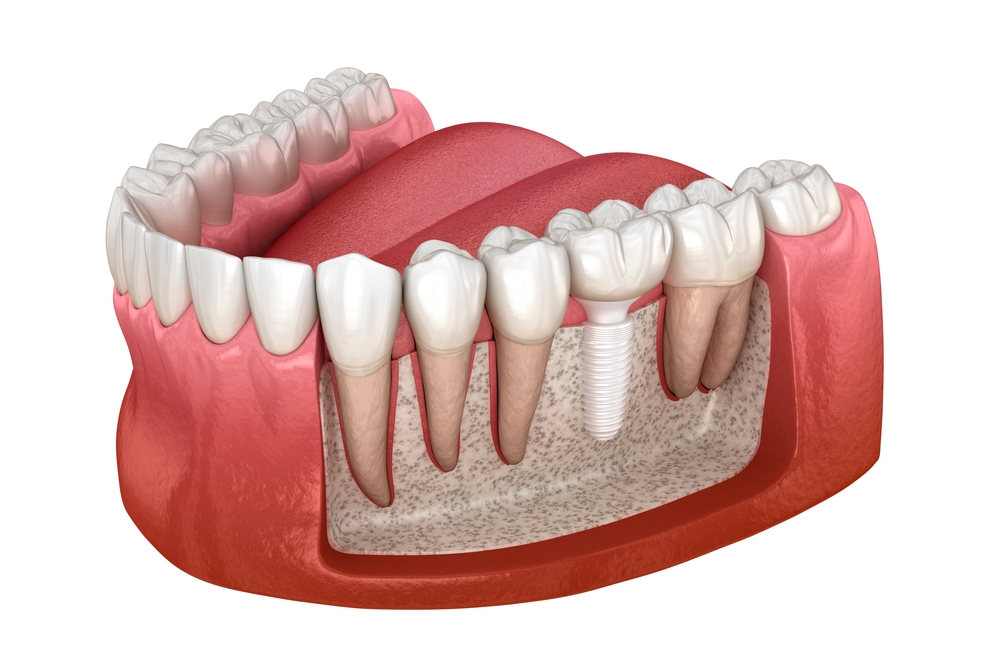
When you hear the word “surgery,” you might associate it with significant discomfort and long recovery times. But placing a dental implant is a very specific, localized procedure. Your dentist makes a small incision in your gum tissue and creates a tiny space in your jawbone to place the titanium implant post.
While that might sound daunting, the jawbone actually lacks the extensive network of pain-sensing nerves found in other parts of your body.
Why the Jawbone Changes the Game
Think about a time when you had a bad toothache. That intense, throbbing pain came from the highly sensitive nerves located inside the center of your tooth. When a tooth becomes infected, those specific nerves send sharp distress signals to your brain.
Your jawbone is completely different. The bone tissue where the implant goes does not have those same sensitive nerve endings. Therefore, drilling into the bone does not trigger the sharp pain responses you might expect. Most of the nerves are located in your soft gum tissue, which your dentist easily numbs using local anesthetics.
Comparing Implants to Tooth Extractions
Many patients who have undergone both procedures report that getting a dental implant is actually less uncomfortable than having a tooth extracted.
When a dentist extracts a tooth, they must carefully manipulate and remove a structure that is firmly rooted in the bone and surrounded by sensitive ligaments. This manipulation can cause post-operative soreness and swelling.
Placing an implant is a much more precise and controlled process. Your dentist carefully plans the exact angle and depth of the implant using advanced 3D imaging. This precise planning minimizes trauma to the surrounding tissues, resulting in a much smoother and more comfortable recovery.
During the Procedure: Ensuring Your Absolute Comfort
Your comfort is the top priority for your dental team. Dentists use a combination of techniques to ensure you feel absolutely no pain while they place the implant post. Let us look closely at the tools used to create a pain-free surgical experience.
The Power of Local Anesthesia
Before the procedure begins, your dentist will administer a local anesthetic. This medication completely blocks the pain signals from the nerves in your gums and jaw from reaching your brain.
Your dentist will apply a topical numbing gel to your gums before giving the injection, so you barely even feel the initial pinch. Within a few minutes, the entire surgical area will feel completely numb and heavy.
While the local anesthetic works, you will remain fully awake and aware of your surroundings. You will hear the sounds of the dental instruments, and you will feel pressure and vibration as the dentist works. However, you will not feel any sharp or painful sensations. If you ever feel discomfort during the procedure, you simply raise your hand, and your dentist will administer more anesthetic immediately.
Options for Sedation Dentistry
While local anesthesia eliminates physical pain, we understand that dental anxiety is a very real challenge. If the thought of the procedure makes you feel anxious, restless, or fearful, we offer solutions to calm your mind as well as your body.
Through sedation dentistry, we can help you achieve a state of deep relaxation during your surgery. Depending on your level of anxiety and the complexity of your procedure, your dentist might recommend one of the following options:
- Nitrous Oxide (Laughing Gas): You breathe this mild sedative through a small mask placed over your nose. It helps you feel calm and euphoric within minutes. The effects wear off quickly after the procedure, allowing you to drive yourself home.
- Oral Conscious Sedation: You take a prescribed sedative pill about an hour before your appointment. This medication makes you feel deeply relaxed and a little drowsy. You will still be awake and able to respond to commands, but you might not remember much about the procedure afterward.
- IV Sedation: Administered directly into your bloodstream, IV sedation provides a deeper level of relaxation. It acts quickly, and your dentist can easily adjust the dosage throughout the procedure to ensure you remain perfectly comfortable.
What You Will Actually Feel
If you opt for local anesthesia alone, you will feel some pressure and vibration. You will feel the dentist pressing down slightly as they prepare the site and place the titanium post. You will also feel water spraying in your mouth, which keeps the area clean and cool.
None of these sensations equate to pain. It is completely normal to feel slightly awkward or tired from holding your mouth open, but you should never feel sharp distress.
The Immediate Aftermath: The First 24 to 48 Hours
The surgery itself is painless, but what happens when you go home? As the local anesthetic begins to wear off, your body will initiate its natural healing response. This is when you can expect to feel some mild discomfort.
As the Numbness Wears Off
The numbing effects of the local anesthetic usually last for a few hours after you leave the dental office. It is crucial that you take your first dose of pain medication before this numbness wears off completely. Staying ahead of the discomfort is the most effective way to manage it.
Once the sensation returns to your mouth, you will likely feel a dull ache or a throbbing sensation at the surgical site. This discomfort feels very similar to what you might experience after a routine tooth extraction.
Managing Swelling and Minor Bleeding
Swelling is a normal and expected part of the healing process. Your body sends extra blood and healing factors to the surgical site, which causes the tissues to swell. You will likely notice swelling in your gums and possibly on the side of your face.
You might also experience some minor bleeding or oozing from the surgical site during the first 24 hours. Your dentist will place a gauze pad over the area before you leave the office. You will need to bite down gently on this gauze to apply pressure and help a blood clot form.
The Best Pain Relief Strategies
Your dentist will provide you with specific, detailed instructions for managing your comfort at home. Most patients find that over-the-counter pain relievers, such as ibuprofen or acetaminophen, provide plenty of relief. These medications reduce both pain and inflammation.
If your surgery involved multiple implants or a bone grafting procedure, your dentist might prescribe a stronger pain medication for the first day or two.
To keep swelling and discomfort to a minimum, follow these proven strategies:
- Use Cold Compresses: Apply an ice pack to the outside of your cheek for 15 minutes on, then 15 minutes off, for the first 24 hours. The cold temperature constricts blood vessels, dramatically reducing swelling and numbing the area.
- Keep Your Head Elevated: When you sleep or rest, prop your head up with two or three pillows. Keeping your head elevated above your heart prevents blood from pooling in your head, which reduces throbbing and swelling.
- Rest and Relax: Avoid strenuous physical activity, heavy lifting, or vigorous exercise for the first few days. Increased blood pressure can cause the surgical site to bleed and throb.
The First Week of Recovery: A Day-by-Day Timeline
Understanding the typical healing timeline helps you distinguish between normal recovery symptoms and potential issues. Let us walk through what you can expect during the first week.
Days 3 to 4: Peaking Swelling
Interestingly, swelling does not usually peak immediately after the surgery. Most patients find that their swelling and facial bruising are most noticeable on the second or third day. This is a completely normal biological response.
During these days, your pain should transition from a dull ache to a mild soreness. You should be able to manage this soreness easily with over-the-counter pain relievers. You can switch from using ice packs to applying a warm, moist compress to your cheek, which helps soothe sore muscles and dissipate bruising.
Days 5 to 7: Returning to Normalcy
By the end of the first week, you should notice a significant improvement in how you feel. The swelling will subside steadily, and the bruising will begin to fade. Your gum tissue will start to look pink and healthy again as the incision heals.
Most patients feel comfortable returning to work and their normal daily activities within two or three days. However, you should still avoid overly strenuous exercise until your dentist gives you the green light.
Dietary Adjustments for a Pain-Free Healing
What you eat plays a massive role in your comfort during the first week. You need to nourish your body to help it heal, but you must avoid foods that could irritate the surgical site or cause you pain.
Stick to a strict soft-food diet for the first several days. Excellent choices include:
- Yogurt and cottage cheese
- Smoothies and protein shakes (do not use a straw, as the suction can disturb the healing tissue)
- Applesauce and mashed bananas
- Lukewarm soups and broths
- Mashed potatoes and scrambled eggs
Avoid foods that are crunchy, hard, spicy, or extremely hot. Crunchy foods like chips or nuts can break into sharp pieces that might poke the healing gums. Spicy and acidic foods can cause a severe stinging sensation.
Long-Term Healing: The Osseointegration Phase
After the first week or two, your gums will heal completely. At this point, you will not feel any pain or discomfort from the surgical site. However, the most important part of the healing process is just beginning beneath the surface.
What is Happening Beneath the Gums?
The titanium implant post must fuse completely with your jawbone to provide a stable foundation for your new tooth. This biological process is called osseointegration.
Over the course of three to six months, your living bone cells will slowly grow around and attach themselves to the microscopic ridges on the surface of the titanium post. This fusion locks the implant permanently into place.
Why This Phase is Usually Pain-Free
You will not feel osseointegration happening. Because the jawbone lacks sensitive pain receptors, the cellular fusion process occurs completely unnoticed.
During these months, you will go about your normal life. Your dentist might place a temporary crown or denture over the implant so you do not have to live with a visible gap in your smile. You must continue to practice excellent oral hygiene to keep your gums healthy, but you should not experience any pain related to the implant itself.
Normal Discomfort vs. Signs of Complications
While the success rate for dental implants is incredibly high, complications can occasionally arise. Knowing the difference between normal healing symptoms and signs of trouble ensures you get prompt care if you need it.
Normal Healing Symptoms
As we discussed, it is completely normal to experience:
- Mild to moderate swelling for the first few days
- Slight bruising on your face or gums
- A dull ache that responds well to over-the-counter pain relievers
- Minor oozing of blood for the first 24 hours
When Should You Call Your Dentist?
If you experience any of the following symptoms, you should contact your dental team right away:
- Severe, Worsening Pain: If your pain suddenly intensifies after a few days, or if pain medication fails to provide relief, it could indicate an infection.
- Excessive Bleeding: If the surgical site continues to bleed heavily after the first day, despite applying steady pressure with gauze.
- Persistent Swelling: If your swelling does not begin to improve after the third or fourth day, or if it suddenly gets worse.
- Fever or Nausea: A high fever is a clear sign that your body is fighting off an infection.
- Numbness or Tingling: If your lips, tongue, or chin remain numb or tingly several days after the surgery, it could indicate nerve irritation.
Preventing Infection and Peri-Implantitis
The most common complication following surgery is an infection called peri-implantitis. This condition causes inflammation in the gums and bone surrounding the implant. If left untreated, it can cause the bone to deteriorate and the implant to fail.
You can prevent infection by strictly following your dentist’s aftercare instructions. Keep your mouth clean by gently brushing your teeth, avoiding the surgical site directly for the first few days. Rinse your mouth gently with warm salt water after meals to remove food particles and soothe the tissue. Do not smoke, as nicotine drastically impairs your body’s ability to heal and fight off bacteria.
Why Choosing the Right Dental Team Matters
The skill and experience of your dental team play a crucial role in your comfort and the overall success of your procedure. When a dentist utilizes advanced technology and precise planning techniques, the surgery goes smoother, the tissue trauma is minimized, and your recovery is much faster.
If you want to feel confident in your care, we encourage you to meet the team at Shield Dental Care. Our dedicated professionals use state-of-the-art 3D imaging to plan your implant placement with pinpoint accuracy. We take the time to answer all of your questions, explain every step of the process, and tailor your pain management plan to your specific needs.
We believe that exceptional communication is the key to alleviating dental anxiety. When you know exactly what is happening and trust the people providing your care, your fear of pain diminishes significantly.
Making Comfort and Care Accessible
We know that financial concerns can sometimes add to the stress of a dental procedure. Many patients worry that high-quality restorative dentistry and modern sedation options will strain their budget, especially if they do not have traditional dental insurance.
We strongly believe that everyone deserves a strong, healthy smile and a comfortable dental experience. To help make your care more affordable, we proudly offer the Shield Prevention Plan.
This comprehensive in-house membership plan is designed specifically for uninsured patients. By joining, you receive exceptional value, including routine preventative care and significant, exclusive discounts on restorative procedures like dental implants. We work closely with you to create a financial arrangement that makes sense for your family, so you can focus on healing rather than worrying about the cost.
Conclusion: Your Journey to a Confident Smile
So, is dental implant surgery painful? The short answer is no. While you can expect some mild soreness and swelling during the first few days of recovery, the procedure itself is highly controlled and completely numbed. Thanks to local anesthesia, effective sedation options, and precise surgical techniques, replacing your missing teeth is easier and more comfortable than ever before.
Do not let the fear of a few days of minor discomfort stand between you and a lifetime of confident smiling, clear speaking, and comfortable chewing. A dental implant is an investment that pays off every single day by improving your quality of life and protecting your long-term oral health.
If you want to read more about how to care for your smile and explore other dental topics, check out our educational blogs. We update our library regularly to empower you with the knowledge you need to make the best decisions for your health.
If you are ready to take the next step and learn if you are a candidate for dental implants, we are here to guide you. Reach out to our compassionate team today. Visit our contact us page to schedule your personalized consultation. We look forward to helping you restore your smile comfortably and confidently.
Top Rated Dentist in Burke VA
At Shield Dental Care, we take pride in being a top-rated Dentist in Burke, VA. We are dedicated to enhancing your charming smile. Our philosophy revolves around your smile being a beautiful reflection of your persona, a unique signature that merits the finest attention.
Tour Our Burke Dental Office
Experience the best of dental technology and service at Shield Dental Care. Situated conveniently at 6505 Sydenstricker Rd B, Burke, VA 22015,
Related Blogs
- What to Expect at Your Cosmetic Dentistry Consultation
- 5 Signs You Should See a Cosmetic Dentist
- How Much Does a Smile Makeover Cost? A Complete Guide
Dental implant surgery is far more comfortable than most patients fear, largely because the jawbone lacks the sensitive nerve endings that cause tooth pain. Local anesthesia blocks discomfort during placement, and sedation options ease anxiety, so you feel only pressure and vibration, never sharp pain. Mild swelling and a dull ache follow for a few days, managed with over-the-counter relievers, cold compresses, rest, and soft foods. The months-long osseointegration that follows is usually painless.