
- The Core Components of a Dental Implant Bridge
- Dental Implant Bridge vs. Traditional Bridge: What is the Difference
- The Step-by-Step Process of Getting an Implant Bridge
- Maintaining Your New Smile
- Transform Your Smile with Shield Dental Care
Losing multiple teeth can make chewing difficult and make you feel self-conscious about your smile. When you have several missing teeth in a row, finding a durable and natural-looking solution is incredibly important. Many patients in Burke, VA, are discovering that modern restorative dentistry offers solutions that look and function just like natural teeth.
The most advanced solution for replacing consecutive missing teeth is the dental implant bridge. This comprehensive guide will explain exactly what this treatment involves. We will break down the technical components, outline the step-by-step surgical process, and show you how this method compares to traditional tooth replacement options.
Here are the key takeaways you will learn:
- The three core components that make up an implant-supported bridge.
- The critical differences between traditional bridges and implant-supported ones.
- The detailed timeline and process of restoring your smile.
- How advanced technology improves the precision and comfort of your treatment.
The Core Components of a Dental Implant Bridge
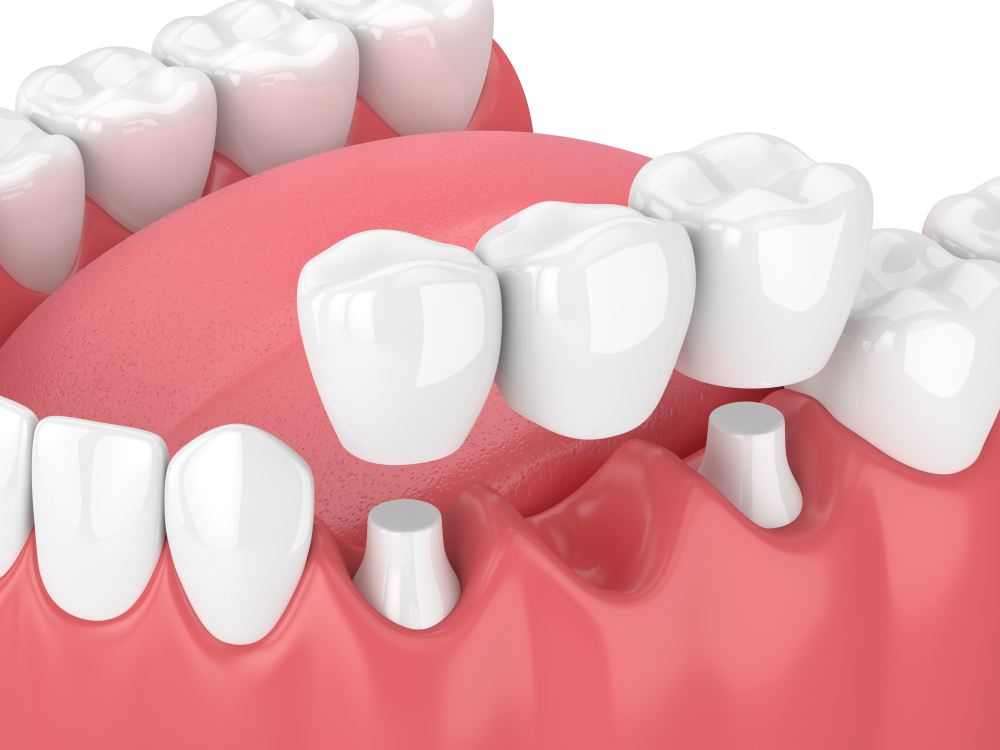
A standard dental bridge relies on your natural teeth for support. An implant-supported bridge takes a completely different approach. It uses artificial roots to anchor the replacement teeth securely in your mouth. This structure consists of three distinct components working together to create a seamless restoration.
The Titanium Dental Implants
The foundation of the entire system is the dental implant itself. These are small, screw-like posts made of biocompatible titanium. A dentist surgically places these posts directly into your jawbone beneath the gums.
Titanium is unique because it fuses naturally with human bone. Once healed, these implants act exactly like natural tooth roots. Because they are anchored into the jawbone, they provide unparalleled stability for the artificial teeth that will eventually sit on top.
The Connecting Abutments
The abutment is the crucial middleman of the restoration. It is a small metal or ceramic connector piece that attaches to the top of the dental implant. The abutment sits just above the gum line.
Its primary job is to connect the implant securely to the final dental bridge. Your dentist places the abutments after the implants have fully fused with your jawbone. They ensure that your new teeth remain firmly in place while you bite, chew, and speak.
The Custom Dental Bridge
The final component is the bridge itself. This is the visible part of the restoration that fills the gap in your smile. A dental laboratory crafts the bridge from highly durable materials like porcelain or zirconia.
These materials reflect light in the same way natural tooth enamel does. The bridge features two or more artificial crowns on the ends, which attach to the abutments. Between these crowns sit the artificial teeth (called pontics) that replace your missing natural teeth.
Dental Implant Bridge vs. Traditional Bridge: What is the Difference?
Patients often ask how an implant bridge differs from a traditional dental bridge. While both treatments aim to fill the gaps left by missing teeth, their mechanical approaches are entirely different.
How a Traditional Dental Bridge Works
A traditional dental bridge uses your remaining healthy teeth as anchors. To place a traditional bridge, a dentist must shave down the enamel of the teeth on either side of the gap. Once these healthy teeth are reshaped, the dentist cements crowns over them. These crowns hold the artificial replacement teeth in the middle.
While effective, this method requires sacrificing healthy tooth structure. Additionally, traditional bridges only sit on top of the gums. They do not stimulate the underlying jawbone, which can lead to bone loss over time.
The Implant-Supported Advantage
When you choose a solution from the field of implant dentistry, you preserve your natural teeth. Because the bridge is supported entirely by the titanium implants, your dentist does not need to alter the adjacent healthy teeth.
Furthermore, the implants stimulate your jawbone just like natural roots. This prevents the bone from shrinking, which helps maintain your natural facial structure as you age. An implant-supported bridge is a self-contained system that offers superior longevity, strength, and bone preservation.
The Step-by-Step Process of Getting an Implant Bridge
Restoring your smile with this advanced method is a multi-step journey. It requires careful planning, precision surgery, and a period of healing. Here is exactly what you can expect during the process.
Initial Consultation and Advanced Imaging
Your journey begins with a thorough examination. Your dentist will evaluate your oral health, jawbone density, and medical history. This stage relies heavily on high-tech dental care.
Dentists use 3D cone beam computed tomography (CBCT) scanners to capture highly detailed images of your jawbone and nerve pathways. These 3D images allow the dentist to plan the precise angle and depth of the implants long before the actual surgery begins. If you lack sufficient bone density, your dentist may recommend a bone grafting procedure to build up the foundation.
Surgical Placement of the Implants
Once the planning is complete, the surgical phase begins. Your dentist will administer local anesthesia to ensure you are completely comfortable. Some patients also opt for dental sedation to remain deeply relaxed during the procedure.
The dentist makes small incisions in the gums to access the jawbone. Using the customized surgical guides created from your 3D scans, the dentist carefully places the titanium implants into the bone. Finally, they close the gums with self-dissolving stitches.
Healing and Osseointegration
After the surgery, a crucial healing phase takes place. This period typically lasts between three and six months. During this time, a biological process called osseointegration occurs.
Your jawbone literally grows around the titanium threads of the implants. This bone-to-implant fusion is what gives the final restoration its incredible strength. While you heal, your dentist can provide a temporary bridge so you never have to go without teeth.
Placing the Abutments
Once osseointegration is complete, you will return to the office for a minor procedure. The dentist will make a small incision to expose the tops of the implants. They will then attach the abutments to the implants.
After placing the abutments, your gums will need about two weeks to heal around them. This creates a natural-looking gum line that will beautifully frame your final dental bridge.
Designing and Attaching the Final Bridge
The final step is the most exciting. Once your gums have healed around the abutments, your dentist takes highly accurate digital impressions of your mouth. A specialized dental laboratory uses these impressions to fabricate your custom bridge.
The lab matches the color, shape, and size of the artificial teeth to complement your facial features and any remaining natural teeth. When the bridge is ready, your dentist will attach it securely to the abutments. They will check your bite and make any necessary adjustments to ensure a perfect, comfortable fit.
Maintaining Your New Smile
One of the best things about an implant-supported bridge is how easy it is to maintain. Unlike removable dentures, you do not need to take your bridge out at night or soak it in special cleaning solutions.
You care for your implant bridge just like you care for natural teeth. Brush twice a day with a soft-bristled toothbrush and non-abrasive toothpaste. Use special floss threaders or a water flosser to clean beneath the bridge and around the abutments to keep your gums healthy.
Regular checkups and professional cleanings are also vital. During these visits, your dental team will examine your implants and the bridge to ensure everything remains stable and free of infection. With proper oral hygiene and regular professional care, the titanium implants can last a lifetime, while the bridge itself can last for decades before needing a replacement.
Transform Your Smile with Shield Dental Care
Understanding the mechanics behind an implant-supported bridge highlights why it is the gold standard for replacing multiple missing teeth. By relying on artificial roots rather than adjacent teeth, this treatment offers unmatched durability, bone preservation, and aesthetic appeal.
If you are ready to reclaim your smile and your confidence, our dedicated professionals are here to guide you through every step of the process. We encourage you to meet the team at Shield Dental Care to learn more about our patient-centered approach to restorative dentistry.
Do not let missing teeth hold you back from enjoying your favorite foods or smiling freely. Please contact us today to schedule a comprehensive consultation and discover how a dental implant bridge can permanently transform your oral health.
Top Rated Dentist in Burke VA
At Shield Dental Care, we take pride in being a top-rated Dentist in Burke, VA. We are dedicated to enhancing your charming smile. Our philosophy revolves around your smile being a beautiful reflection of your persona, a unique signature that merits the finest attention.
Tour Our Burke Dental Office
Experience the best of dental technology and service at Shield Dental Care. Situated conveniently at 6505 Sydenstricker Rd B, Burke, VA 22015,
Related Blogs
- What to Expect at Your Cosmetic Dentistry Consultation
- 5 Signs You Should See a Cosmetic Dentist
- How Much Does a Smile Makeover Cost? A Complete Guide
A dental implant bridge replaces several consecutive missing teeth using titanium posts placed in the jawbone, connecting abutments, and a custom porcelain or zirconia bridge. Unlike a traditional bridge, it spares adjacent healthy teeth and stimulates the jaw to prevent bone loss and preserve facial structure. Treatment spans consultation and imaging, implant placement, several months of healing, and final bridge attachment. With daily care and regular checkups, the implants can last a lifetime and the bridge for decades.