
- The First 24 to 48 Hours After Your Implant
- The First Week and Your Soft-Food Diet
- Managing Swelling and Discomfort
- The Osseointegration Period Before Your Final Crown
- Normal Healing Versus Warning Signs, and Tips to Speed Recovery
The First 24 to 48 Hours After Your Implant
If you have just had a dental implant placed at our Burke office, the first day or two is when your body begins the healing process in earnest. It is completely normal to notice some swelling, mild bleeding or oozing at the surgical site, and general tenderness around the area. Dr. Pejman Ghorbani and our team will send you home with clear, written instructions, and following them closely during this window sets the tone for the rest of your recovery.
For the first day, plan to rest and take it easy. Keep your head slightly elevated, even while sleeping, to help control swelling. Bite gently on the gauze we provide to manage any minor bleeding, and avoid rinsing vigorously, spitting forcefully, or using a straw, since the suction can disturb the forming blood clot that protects the site. Applying a cold compress to your cheek in 15-minute intervals can meaningfully reduce puffiness during these early hours.
- Rest and avoid strenuous activity or heavy lifting for the first day or two
- Use a cold compress on the outside of your cheek to limit swelling
- Do not rinse hard, spit, or drink through a straw for the first 24 hours
- Take any prescribed or recommended medication exactly as directed
- Keep your head elevated, including at night, to stay comfortable
The First Week and Your Soft-Food Diet
Most patients across Burke, Fairfax, Springfield, Annandale, and Lorton find that the sharpest discomfort fades within the first two to three days, and by the end of the first week they feel noticeably more like themselves. During this period your gums are knitting back together over the implant, so protecting the site with the right foods is one of the most important things you can do.
Stick to a soft, nourishing diet and chew on the opposite side of your mouth whenever possible. Think lukewarm or cool foods rather than hot ones, and avoid anything crunchy, chewy, spicy, or small enough to lodge in the healing area. Staying hydrated and well fed actually supports faster tissue repair, so do not skip meals simply because you are being cautious.
- Good choices: yogurt, smoothies eaten with a spoon, mashed potatoes, scrambled eggs, oatmeal, cooled soup, and soft pasta
- Foods to avoid early on: nuts, chips, popcorn, raw crunchy vegetables, tough meats, and very hot or spicy dishes
- Gently reintroduce firmer foods over the following weeks as comfort allows
Gentle oral hygiene matters even now. You can usually brush the rest of your teeth normally while keeping the surgical site untouched for the first day, then begin light rinses with warm salt water as we instruct. For a fuller routine once you have healed, our guide on how to care for dental implants walks through daily habits that keep your new tooth healthy for the long haul.
Managing Swelling and Discomfort
Swelling typically peaks around 48 to 72 hours after surgery and then gradually subsides, so do not be alarmed if you look a little puffier on day two than you did right after the procedure. Mild bruising on the cheek or jaw can also appear and is nothing to worry about. Cold compresses help in the first couple of days, and after about 48 hours, switching to gentle warm compresses can encourage lingering swelling to resolve.
For discomfort, over-the-counter pain relievers are often enough, and Dr. Ghorbani will advise you on what is appropriate for your situation. Take medication before the numbness fully wears off so you stay ahead of any soreness rather than chasing it. Every patient heals at their own pace, and factors like the number of implants placed and whether a bone graft was involved can influence how you feel, so give yourself grace during this stretch.
The Osseointegration Period Before Your Final Crown
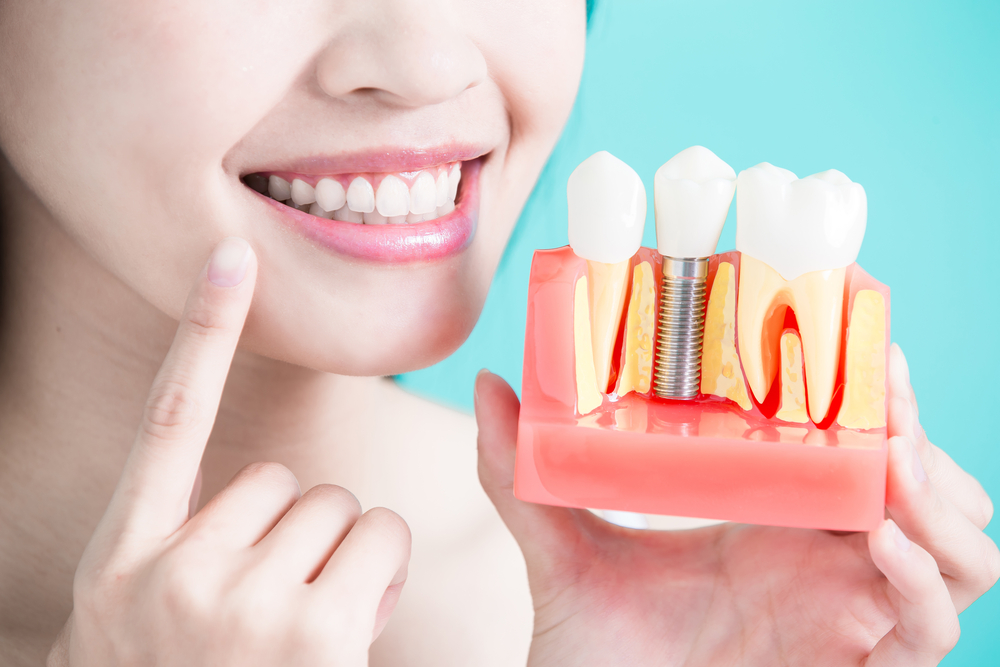
Here is where dental implant recovery differs from a simple extraction: even after your gums feel great, your implant is still doing important work beneath the surface. This phase is called osseointegration, and it is the process by which the titanium implant post gradually fuses with your jawbone to create a stable, permanent foundation. This biological bond is exactly what makes implants so durable and is a big reason they can last for decades with good care.
Osseointegration generally takes several weeks to a few months, commonly in the range of three to six months, though timelines vary from person to person. During this period you may wear a temporary restoration while the bone matures. Once Dr. Ghorbani confirms the implant is fully integrated, we place the abutment and your custom final crown, completing the tooth. If you are curious about the payoff for this patience, our post on how long dental implants last explains why the wait is so worthwhile.
Throughout this stage, keeping your regular follow-up appointments at our Sydenstricker Road office is essential. These visits let us monitor healing, confirm the implant is integrating well, and make sure you stay on schedule toward that final crown. You can learn more about the full treatment on our dental implants in Burke VA page.
Normal Healing Versus Warning Signs, and Tips to Speed Recovery
Knowing what healthy healing looks like helps you relax and recognize when something needs attention. Normal signs include gradually improving swelling and tenderness, minor bleeding that tapers off within a day, and steadily returning comfort over the first week. What is not typical is worsening pain several days out, swelling that increases instead of decreasing, a fever, persistent bleeding, pus or a bad taste, or a feeling that the implant is loose or moving.
If you notice any of those warning signs, please call our office at (703) 250-5072 rather than waiting it out. Reaching out early is always the right move, and our team would much rather hear from you and offer reassurance than have you worry at home. You can also reach us anytime through our contact page.
To give your body the best chance at smooth, efficient healing, a few habits make a real difference. Most importantly, avoid smoking and tobacco, which restrict blood flow to the gums and are one of the leading causes of slow healing and implant complications.
- Do not smoke or use tobacco, ideally before surgery and throughout recovery
- Keep your mouth clean with gentle brushing and the salt-water rinses we recommend
- Attend every follow-up visit so we can track your progress
- Eat well, stay hydrated, and get plenty of rest to fuel tissue repair
- Limit alcohol and avoid vigorous exercise until we clear you
Frequently Asked Questions
How long does it take to recover from dental implant surgery?+
Initial gum healing usually takes about one to two weeks, with the most noticeable discomfort easing within the first few days. However, the deeper osseointegration process, where the implant fuses with your jawbone, typically takes several weeks to a few months before the final crown is placed. Every patient heals at their own pace.
When can I eat normal food again after getting a dental implant?+
Plan to stick with a soft-food diet during the first week or so, then gradually reintroduce firmer foods as your comfort allows. Many patients return to a fairly normal diet within a few weeks, though we recommend avoiding very hard or crunchy foods on the implant side until Dr. Ghorbani confirms your site has healed well.
Is swelling normal after a dental implant, and how long does it last?+
Yes, mild swelling and some bruising are completely normal. Swelling usually peaks around two to three days after surgery and then steadily subsides over the following days. Cold compresses in the first 48 hours help. If swelling worsens instead of improving, or is joined by fever or pus, please call our Burke office.
How can I speed up my dental implant recovery?+
The most helpful steps are avoiding smoking and tobacco, keeping the area clean with gentle rinses and brushing, eating nutritious soft foods, staying hydrated, resting, and keeping all of your follow-up appointments. These habits support healthy tissue and give your implant the best chance to integrate successfully.
When should I call the dentist about my implant recovery?+
Call our office at (703) 250-5072 if you notice pain that worsens after a few days, swelling that keeps increasing, a fever, persistent bleeding, pus, a bad taste, or a sense that the implant feels loose. Reaching out early lets us check on you and address any concern promptly.
Dental implant recovery unfolds in stages. The first 24 to 48 hours bring swelling, mild bleeding, and tenderness managed with rest, cold compresses, and gauze. Most sharp discomfort fades within a few days, with a soft-food diet protecting the site through the first week. Beneath the surface, osseointegration fuses the implant to the jawbone over several weeks to a few months before the final crown is placed. Avoiding tobacco, keeping the area clean, and attending follow-ups support healing.