
Wisdom tooth extraction is one of the most common dental procedures performed today, yet it remains one of the most misunderstood. Wisdom teeth, also known as third molars, usually appear between the ages of 17 and 25. While they were once useful for our ancestors who needed extra chewing power for coarse diets, they often cause more harm than good in modern mouths.
Understanding when and why wisdom tooth extraction is necessary can help you avoid pain, infection, and long-term dental complications. In this guide, we’ll cover the reasons for removal, what to expect during the procedure, and how to ensure a smooth recovery.
What Are Wisdom Teeth?
Wisdom teeth are the final set of molars that erupt at the back of your mouth — two on the top and two on the bottom. For some people, these teeth come in normally and function like any other molars. However, for many others, they fail to fully emerge or grow at improper angles, leading to impaction or crowding.
Because modern diets are softer and jaws are smaller, most people don’t have enough space to accommodate these extra teeth. As a result, wisdom tooth extraction is often recommended as a preventive measure to maintain oral health.
👉 According to the American Dental Association (ADA), wisdom teeth are commonly removed when they are impacted, crowd or damage neighbouring teeth, or cause decay, gum disease or cysts — and wisdom teeth that are kept need to be monitored, because problems can still develop later.
Common Reasons for Wisdom Tooth Extraction
Not everyone will experience pain from their wisdom teeth, but even painless impaction can lead to long-term oral health problems. Here are the most common reasons dentists recommend wisdom tooth extraction:
1. Impaction
Impaction occurs when wisdom teeth fail to erupt fully through the gums. They may remain trapped in the jawbone or grow sideways, pressing against nearby teeth. Impacted wisdom teeth can lead to:
- Pain or swelling in the jaw
- Gum tenderness
- Jaw stiffness
- Infection or abscess formation
If left untreated, impaction can also damage the roots of nearby teeth or lead to cyst formation.
2. Crowding
As wisdom teeth emerge, they can exert pressure on surrounding teeth, causing crowding or misalignment. This can undo years of orthodontic work, shifting teeth out of place and creating bite issues.
Dentists often recommend wisdom tooth extraction before or after orthodontic treatment to preserve tooth alignment.
3. Infection and Gum Disease
Because wisdom teeth are located at the back of the mouth, they are hard to clean properly. Food particles and bacteria can accumulate around them, leading to gum inflammation, cavities, or periodontal disease.
Partially erupted wisdom teeth are particularly prone to infection due to a flap of gum tissue that traps debris — a condition known as pericoronitis.
4. Cysts or Tumors
In rare cases, an untreated impacted wisdom tooth can lead to the development of cysts or benign tumors in the jawbone. These growths can damage bone, nerves, and adjacent teeth. Regular X-rays and dental exams can detect these problems early, allowing for safe extraction before complications arise.
5. Preventive Removal
Even if your wisdom teeth aren’t causing discomfort now, your dentist may recommend early removal to prevent future problems. Extraction is generally easier and recovery is faster when the roots are not fully developed, typically in the late teens or early twenties.
What to Expect During Wisdom Tooth Extraction
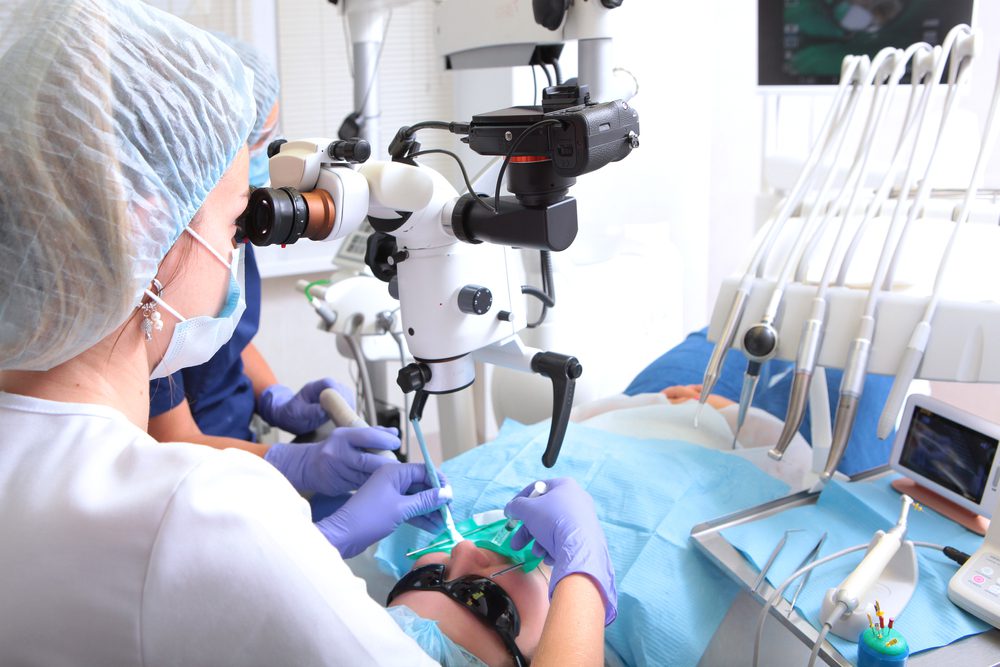
If your dentist or oral surgeon determines that removal is necessary, they’ll perform the procedure under local anesthesia, sedation, or general anesthesia, depending on the complexity of your case and your comfort level.
The Procedure
- Anesthesia: You’ll receive anesthesia to numb the area and minimize pain or anxiety.
- Incision: The dentist or surgeon makes a small incision in the gum to expose the tooth and bone.
- Extraction: The tooth may be removed in sections to minimize trauma.
- Cleaning and Closure: The site is cleaned of any debris, and stitches may be placed to aid healing.
- Recovery: Gauze is used to control bleeding, and you’ll receive aftercare instructions for home recovery.
The entire process typically takes 30–60 minutes, depending on how many teeth are being extracted and whether they are impacted.
👉 Learn more about the surgical process from the Mayo Clinic’s guide on wisdom teeth removal.
Recovery After Wisdom Tooth Extraction
Recovery time varies depending on the complexity of your extraction and your individual healing response. Most patients can resume normal activities within 2–5 days.
Post-Operative Care Tips
To promote proper healing and reduce the risk of complications:
- Rest: Take it easy for at least 24–48 hours after the procedure.
- Ice Packs: Apply cold compresses to reduce swelling and discomfort.
- Soft Diet: Stick to soft foods like yogurt, mashed potatoes, and soups for a few days.
- Avoid Straws: Using straws can dislodge the blood clot and cause dry socket, a painful condition.
- Maintain Oral Hygiene: Rinse gently with warm salt water after 24 hours, but avoid brushing near the surgical site initially.
- Pain Management: Use prescribed or over-the-counter pain relievers as directed by your dentist.
Signs of Complications
Contact your dentist if you notice:
- Persistent bleeding or swelling beyond 3 days
- Severe pain that radiates to the ear or jaw
- Fever or signs of infection
- Foul taste or discharge from the extraction site
Prompt attention ensures quick recovery and prevents secondary infections.
Benefits of Wisdom Tooth Extraction
While the idea of dental surgery may sound intimidating, wisdom tooth extraction offers long-term benefits for both comfort and oral health:
- Prevents crowding and misalignment
- Reduces risk of gum disease and decay
- Eliminates recurrent jaw pain and swelling
- Protects nearby teeth from pressure or damage
- Helps maintain proper bite and oral hygiene
For most people, the benefits far outweigh the temporary discomfort of recovery.
Do All Wisdom Teeth Need to Be Removed?
Not necessarily. Some individuals have enough room in their jaws for wisdom teeth to emerge properly and function without issue. Your dentist will evaluate your unique case through X-rays and oral exams to determine whether extraction is needed.
However, even if your wisdom teeth aren’t causing pain now, regular monitoring is essential. Issues can develop gradually and may go unnoticed until they cause significant discomfort or damage.
Schedule Your Wisdom Tooth Evaluation in Burke, VA
At Shield Dental Care in Burke, VA, we specialize in comfortable, safe, and affordable wisdom tooth extraction procedures. Our skilled dentists and oral surgeons use advanced imaging and modern anesthesia techniques to ensure a smooth experience from start to finish.
Whether you’re experiencing discomfort or simply need an evaluation, we’ll help you determine the best course of action for your long-term oral health.
Don’t wait for pain to become a problem — schedule your consultation today and take the first step toward a healthier smile.
Top Rated Dentist in Burke VA
At Shield Dental Care, we take pride in being a top-rated Dentist in Burke, VA. We are dedicated to enhancing your charming smile. Our philosophy revolves around your smile being a beautiful reflection of your persona, a unique signature that merits the finest attention.
Tour Our Burke Dental Office
Experience the best of dental technology and service at Shield Dental Care. Situated conveniently at 6505 Sydenstricker Rd B, Burke, VA 22015,