
Periodontal gum surgery plays a crucial role in restoring and maintaining oral health when gum disease has advanced beyond the reach of standard dental treatments. Our gums are the foundation of a healthy smile, yet their importance is often overlooked until problems arise. Conditions like periodontal disease can cause gum recession, bone loss, and tooth instability — often requiring periodontal gum surgery with bone grafting to restore oral structure and function.
If you or someone you love is preparing for this procedure, this guide will help you understand every aspect of periodontal gum surgery, from its purpose and process to recovery and long-term care.
Why Periodontal Gum Surgery Is Necessary
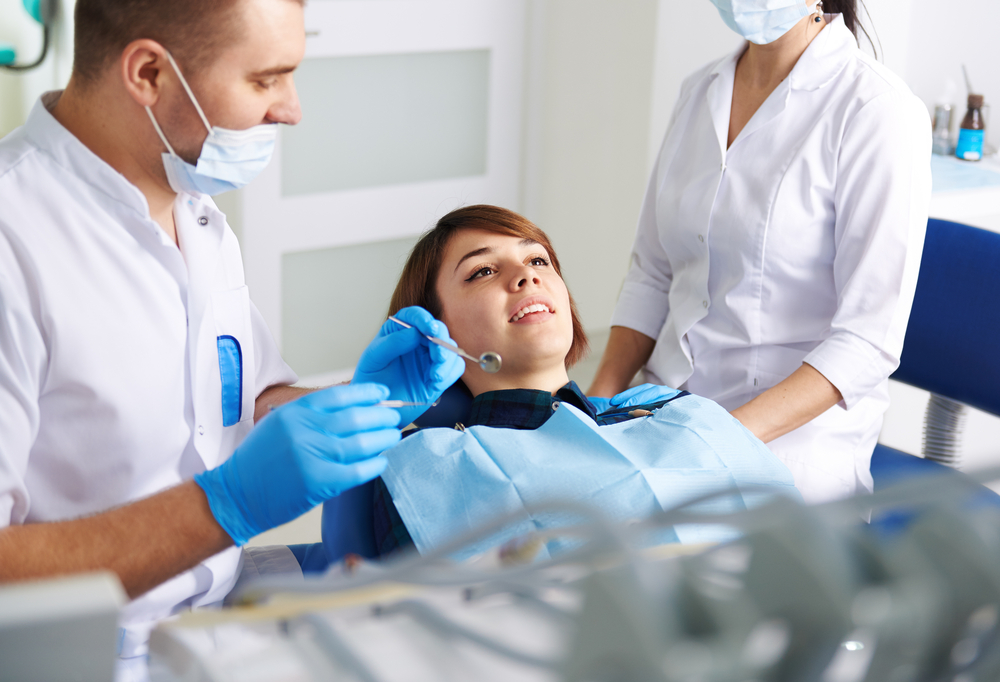
Periodontal diseases are infections that affect the supporting structures of your teeth — the gums, periodontal ligament, and alveolar bone. When left untreated, these infections can cause irreversible tissue and bone damage, eventually leading to tooth loss.
Periodontal gum surgery is typically recommended for advanced stages of gum disease, especially when non-surgical treatments like scaling and root planing fail to control the infection. The procedure allows a periodontist to access deeper pockets of infection, remove bacteria, and restore the gums and bone to a healthier state.
👉 For more details on periodontal disease stages and treatments, see the American Academy of Periodontology’s guide.
When Is Periodontal Gum Surgery Recommended?
Your dentist or periodontist may suggest periodontal gum surgery when:
- Deep pockets between the teeth and gums persist despite professional cleaning.
- Bone loss around teeth is detected through X-rays.
- Gum recession exposes tooth roots.
- Non-surgical treatments haven’t produced sufficient healing.
The goal is to remove diseased tissue, smooth bone irregularities, and encourage new gum and bone growth. Without surgical intervention, the infection can spread, leading to tooth mobility or loss.
Understanding the Periodontal Gum Surgery Procedure
During periodontal gum surgery, your periodontist will make small incisions along the gum line to access the roots of the affected teeth. Diseased tissue and tartar deposits are removed, and the area is thoroughly cleaned to eliminate bacterial buildup.
In cases of significant bone loss, bone grafting may be performed to restore strength and structure to the jawbone. This step is critical for stabilizing teeth and preparing for possible dental implants in the future.
Once the area is cleaned and grafted, the gums are sutured back into place to promote healing and reduce pocket depth.
The Role of Bone Grafting in Periodontal Gum Surgery
Bone grafting is one of the most essential aspects of periodontal gum surgery when bone loss has occurred due to infection. Bone grafts provide a scaffold that encourages natural bone regeneration, ultimately strengthening the jaw and creating a solid foundation for healthy teeth.
🦴 What Is a Bone Graft?
A bone graft involves placing bone material — either natural or synthetic — into areas of the jaw where bone density has diminished. The graft material fuses with the existing bone as it heals, reinforcing the jaw’s structure.
Types of Bone Grafts Used in Periodontal Surgery
- Autograft: Bone is harvested from another part of your body, often the chin or jaw, and transplanted to the affected area.
- Xenograft: Bone material derived from another species, typically bovine (cow), is processed for human use.
- Alloplast: Synthetic bone substitutes made of biocompatible materials that integrate with your natural bone.
Each graft type offers specific advantages depending on the severity of bone loss and your overall oral health.
The Bone Grafting Process
After making incisions during periodontal gum surgery, the periodontist places the graft material where bone has deteriorated. Over several months, the graft stimulates new bone growth. This process helps preserve facial structure and creates a healthy base for future dental restorations.
Learn more about bone grafting from Cleveland Clinic’s overview of dental bone grafts.
Recovery and Aftercare Following Periodontal Gum Surgery
Recovery from periodontal gum surgery generally takes several weeks, though healing can vary depending on the complexity of the procedure and individual health factors.
Immediate Post-Surgical Care
Right after surgery, your periodontist will provide detailed aftercare instructions, which may include:
- Taking prescribed antibiotics to prevent infection.
- Using an antiseptic mouth rinse instead of brushing the surgical area.
- Eating only soft foods for the first few days.
- Avoiding tobacco and alcohol, as they can slow healing.
Mild bleeding, swelling, or discomfort is common for a few days but should subside as your gums heal.
Long-Term Oral Hygiene
Once healed, maintaining exceptional oral hygiene is vital to prevent recurrence of gum disease. Brush gently twice daily with a soft-bristled toothbrush, floss carefully, and continue using mouthwash as recommended. Professional cleanings every 3–6 months are especially important for patients with a history of periodontal disease.
The Role of Follow-Up Appointments
Your periodontist will schedule follow-up visits to monitor healing progress and ensure the bone graft is integrating properly. These appointments allow early detection of complications, such as infection or graft failure, ensuring optimal long-term results.
Benefits and Risks of Periodontal Gum Surgery with Bone Grafting
Benefits
- Restores lost jawbone and strengthens tooth support.
- Reduces pocket depth and eliminates infection sources.
- Improves gum health and aesthetics.
- Enables the placement of dental implants for long-term tooth replacement.
Risks
Like all surgical procedures, periodontal gum surgery carries potential risks. These may include:
- Temporary pain, swelling, or bleeding.
- Minor infections during healing.
- Delayed bone graft integration or inflammation.
Most patients experience successful outcomes when following their dentist’s aftercare recommendations closely.
Your Journey Toward a Healthier Smile
Undergoing periodontal gum surgery is a significant step toward restoring your oral health and preventing tooth loss. By understanding the process, following proper recovery steps, and maintaining consistent oral hygiene, you can ensure lasting results.
At Shield Dental Care, we specialize in advanced periodontal treatments, including bone grafting and regenerative procedures, to help you regain confidence in your smile. Schedule your consultation today to learn how periodontal gum surgery can transform your oral health and quality of life.
Final Thoughts: Investing in Your Oral Health
Your gums are the foundation of a beautiful smile and strong teeth. Taking proactive steps — like treating periodontal disease early and following through with necessary surgery — can protect your teeth for decades to come.
Remember: periodontal gum surgery isn’t just a treatment; it’s an investment in your long-term health, comfort, and confidence.
Top Rated Dentist in Burke VA
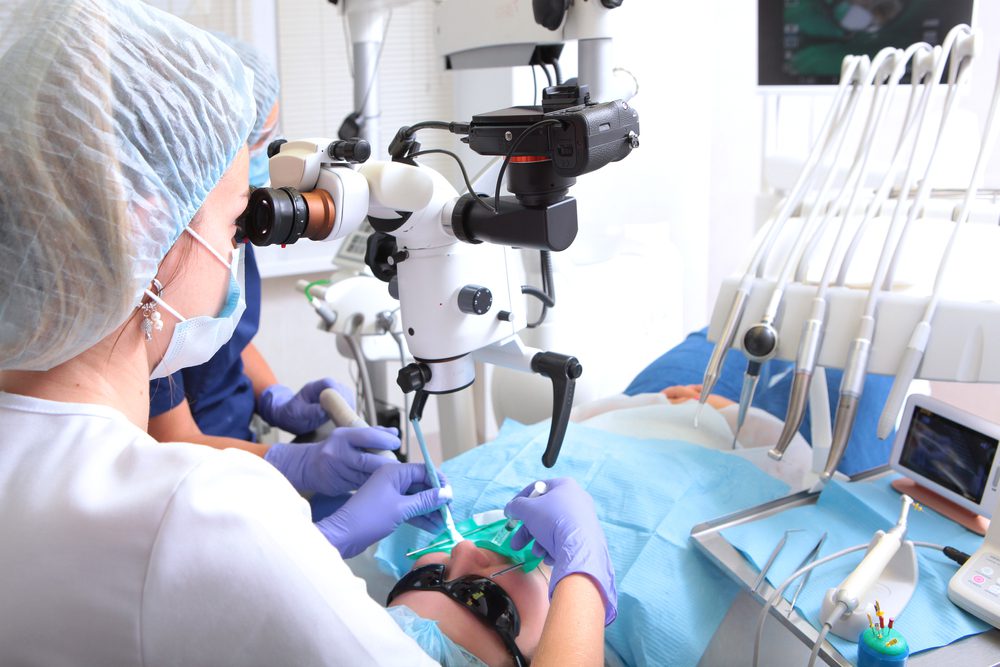
At Shield Dental Care, we take pride in being a top-rated Dentist in Burke, VA. We are dedicated to enhancing your charming smile. Our philosophy revolves around your smile being a beautiful reflection of your persona, a unique signature that merits the finest attention.
Tour Our Burke Dental Office
Experience the best of dental technology and service at Shield Dental Care. Situated conveniently at 6505 Sydenstricker Rd B, Burke, VA 22015,