
- The Short Answer: It Depends on Your Plan
- Implant, Abutment, and Crown: Why the Parts Matter for Billing
- When Medical Insurance May Help
- Annual Maximums, Waiting Periods, and Pre-Authorization
- How Shield Dental Care Helps You Maximize Benefits
The Short Answer: It Depends on Your Plan
If you are missing a tooth and considering a permanent replacement, one of the first questions you probably have is whether your insurance will help pay for it. It is one of the most common questions we hear from patients across Burke, Fairfax, Springfield, Annandale, and Lorton. The honest answer is that coverage varies quite a bit from one plan to the next, so there is no single yes or no that applies to everyone.
For many years, most dental plans treated implants as elective or cosmetic and excluded them entirely. That has been changing. More plans now offer at least partial coverage, and the exact benefit depends on the specific policy you carry. Some plans cover a percentage of the treatment up to your annual maximum, while others may only help with certain parts of the procedure. Because the language differs so much, the best step is always to check your specific benefits, and our team at Shield Dental Care is happy to help you do exactly that before you commit to anything.
Implant, Abutment, and Crown: Why the Parts Matter for Billing
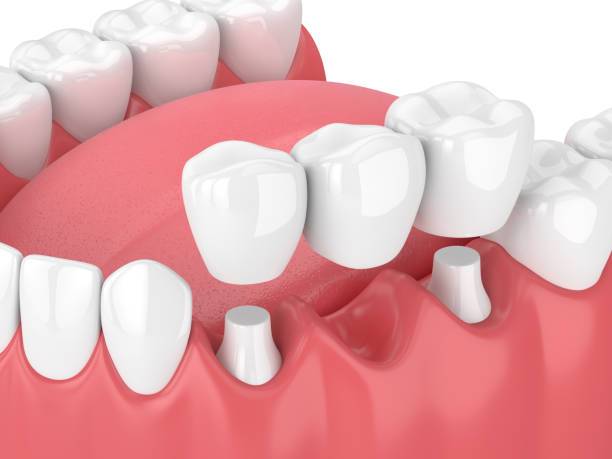
To understand how coverage works, it helps to know that a single dental implant is actually made up of three separate components, and insurance plans often treat each one differently for billing purposes.
- The implant post is the small titanium screw that is placed into your jawbone to act as an artificial tooth root. This surgical portion is frequently the part that plans historically excluded.
- The abutment is the connector piece that attaches to the implant post and holds the final restoration in place.
- The crown, or restoration, is the visible tooth-shaped cap that sits on top and blends in with your natural smile.
Why does this matter? Because a plan that will not pay for the implant post itself may still cover the crown or restoration, since crowns are a more traditional, widely covered benefit. When a plan covers the restoration but not the surgical portion, you may still receive meaningful help toward the overall cost. Since each piece can be billed under a different code, having someone review your benefits line by line can reveal savings you might not expect. You can read more about the full breakdown in our guide to dental implant cost in Virginia.
When Medical Insurance May Help
Dental coverage is not the only avenue worth exploring. In certain situations, medical insurance can step in to help, particularly when tooth loss is connected to an accident, injury, or specific medical condition. For example, if you lost a tooth because of a fall, a car accident, or a sports injury, your medical plan may consider a portion of the treatment medically necessary rather than purely dental.
Medical coverage can also come into play when implants are part of treatment following certain surgeries or health conditions that affect the jaw. These claims tend to require more documentation and specific coding, and outcomes vary by plan, so we cannot promise a particular result. What we can do is help you gather the right records and explore every option so that no potential benefit is left on the table. If an accident is involved, it is always worth asking rather than assuming that medical will not apply.
Annual Maximums, Waiting Periods, and Pre-Authorization
Even when a plan does cover implants, a few common features shape how much you actually receive. Understanding these ahead of time helps prevent surprises and lets you plan your treatment timeline wisely.
- Annual maximums cap the total amount your plan will pay in a calendar year, often somewhere between one thousand and two thousand dollars. Because implant treatment can span more than one visit, some patients choose to begin a phase late in one year and complete it early the next to use two years of benefits.
- Waiting periods mean some plans require you to be enrolled for a set number of months before major services like implants are covered, so it pays to check when your benefits become active.
- Pre-authorization, sometimes called a predetermination, is a request we can submit to your insurer before treatment begins. It gives you a written estimate of what the plan is likely to pay, so you can make decisions with real numbers instead of guesses.
Our insurance coordinator handles these details regularly and can walk you through what your specific plan allows. If you are new to the practice, the new patients page is a great place to start, and we can begin verifying your benefits from your very first visit.
How Shield Dental Care Helps You Maximize Benefits
Navigating insurance on your own can feel overwhelming, and that is exactly why we make it part of the service we provide. When you come in for an implant consultation at our Burke office on Sydenstricker Road, our team, including our insurance coordinator, will verify your benefits, explain what your plan is likely to cover, and submit any pre-authorization needed so you have a clear picture before treatment starts.
We also understand that even with good coverage, there may be an out-of-pocket portion. To keep treatment affordable, we offer financing and payment options, including CareCredit-style plans that let you spread the cost into manageable monthly payments. Between insurance benefits, potential medical coverage, and flexible financing, most patients find that a permanent, natural-feeling replacement is more attainable than they first imagined. To learn more about the procedure itself, visit our page on dental implants in Burke, VA, or reach out through our contact page and we will help you understand your options with no pressure.
Frequently Asked Questions
Will my dental insurance pay for the whole implant?+
It varies by plan. Some plans cover a percentage of implant treatment up to your annual maximum, some cover only the crown or restoration, and others exclude implants entirely. The best way to know is to check your specific benefits, and our team can verify your coverage before you begin.
What if I lost my tooth in an accident?+
If your tooth loss resulted from an accident or injury, your medical insurance may help cover part of the treatment as medically necessary. These claims require specific documentation and outcomes differ by plan, so we recommend letting our team review both your dental and medical coverage.
How do annual maximums affect my implant treatment?+
An annual maximum limits how much your plan pays each calendar year, often between one thousand and two thousand dollars. Because implant treatment can span multiple visits, some patients time their care across two benefit years to make the most of their coverage.
Do you offer financing if insurance does not cover everything?+
Yes. We offer flexible payment options and CareCredit-style financing plans that let you spread the cost into monthly payments. Combined with any insurance benefits, this helps make implant treatment more affordable for patients throughout the Burke and Fairfax area.
Can you tell me what I will owe before treatment starts?+
In most cases, yes. We can submit a pre-authorization, also called a predetermination, to your insurer so you receive a written estimate of what your plan is expected to pay. That way you can make decisions with real numbers rather than guesses.
Whether dental insurance covers implants depends entirely on your plan. Historically excluded as cosmetic, implants now receive at least partial coverage under many policies, and because an implant has three separately billed parts, a plan that skips the surgical post may still pay for the crown. Medical insurance can help when tooth loss stems from an accident or injury. Annual maximums, waiting periods, and pre-authorization all shape your benefit, so verifying coverage before treatment is the best first step.